How to Combine Orders from Multiple Suppliers in Yiwu
Combine Yiwu supplier orders with clear delivery windows, receipt records, quality holds and dispatch checks, using real LANCE reports and warehouse photos.

To consolidate orders from multiple Yiwu suppliers, have each supplier deliver to an agreed receiving point. Track every consignment separately by supplier, purchase order, and SKU. Before you approve a combined dispatch, resolve any quantity discrepancies, quality holds, and packing issues. A shared warehouse address or a common target date does not mean that a mixed shipment is ready to load.
The transport arrangement depends on the route, volume, weight, cargo compatibility, and booking. Bringing orders together does not automatically mean that you will book an exclusive full container.
Who Coordinates the Shipment?
Before you arrange deliveries, decide who is responsible for each step. Consolidation involves at least four separate functions: receiving and storage, inspection and quality decisions, repacking or labeling, and transport arrangement. A sourcing agent, a freight forwarder, a third-party inspection company, or a combination of these may handle them. Gaps between those parties cause delays, and those delays leave less time for rework or a re-order. For example, goods may be received into storage with no agreed person to resolve a quality hold.
Record in one shared document who is responsible for each function and what decisions each party may make. When a warehouse operator confirms receipt, that is not the same as a buyer or agent approving release for loading. Keep those roles explicit from the start.

Delivery Instructions and Timing
Ask the forwarder to confirm the cargo handover and document cutoffs for the booking, then work backward to set warehouse delivery windows. Before handover, allow time for receiving, counting, inspection, correction, and repacking. The time each stage needs depends on the number of suppliers, the total package count, the product types, and whether you expect any rework. No single number of days applies to every consolidation.
Send written delivery instructions to every supplier before production is complete. Include the receiving address and contact, delivery window, PO/SKU references, agreed shipping marks, and packing requirements. Before dispatch, ask each supplier to send its packing list, expected package counts, dimensions, and gross weights. Complete sample approval and specification sign-off before suppliers finish production, because a receiving warehouse is not the place to settle open design questions. If you wait until goods arrive and then find that a finish or component has changed, less time remains for every other step.
Issue Delivery Instructions Before Production Is Complete
Confirm booking cutoffs first
Get the cargo handover and document cutoff dates from your forwarder, then work backward to set supplier delivery windows.
Send written instructions to every supplier
Include the receiving address and contact, delivery window, PO and SKU references, agreed shipping marks, and packing requirements.
Request pre-dispatch packing data
Ask each supplier to send its packing list, expected package counts, dimensions, and gross weights before goods leave their facility.
Settle specifications before production ends
Resolve sample approval and specification sign-off while suppliers can still act on them. A receiving warehouse is not the place to settle unresolved design questions.
An archived LANCE initial inspection report records that reference samples were retained for later comparison with finished goods, while fabric selection was still awaiting final confirmation. The example shows why you should settle open specifications early and make the agreed reference available to the inspector.
Track Receipts and Release Status
Keep one master list that covers every supplier, PO, and SKU in the consolidation, and update it as each consignment arrives. All parties should use this list as their single reference. A verbal update or a chat message does not replace a recorded status change with a named responsible party.
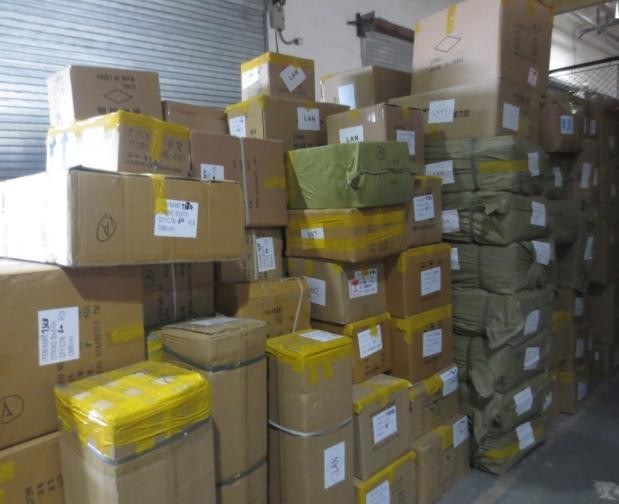
The table below lists the fields to track and explains why each one matters. Use it as a starting template, and add columns to suit your own workflow.
| Checkpoint / Master-List Field | What to Record | Why It Matters |
|---|---|---|
| Supplier / PO / SKU reference | Exact identifiers as on the purchase order and shipping mark | Prevents mix-ups when multiple suppliers ship similar products or packaging |
| Expected vs. actual package and unit quantities | Expected and received packages by type; ordered, supplier-declared and verified units kept separate; scope of count recorded | A carton receipt does not prove inner-unit quantity; record what was actually checked and how |
| Readiness and delivery milestones | Supplier-confirmed ready date; actual delivery date; date counting completed; date inspection completed | Shows where time is being consumed and flags late suppliers early |
| Inspection / hold / released status | Current status for each line: received / quantity-checked / quality-hold / released / loaded; name of person who changed status and date | An overall inspection result and a shortage are separate findings; both must be recorded independently with the buyer’s decision on each |
| Packing size, weight, and version | Carton dimensions (L×W×H cm) and gross weight (kg) as received; note if revised after repacking; recount and remeasure any repackaged cartons | Accurate figures are required for container planning, freight calculation, and the packing list; estimated figures cause errors downstream |
| Discrepancy owner and decision | Description of shortage, damage, or non-conformance; who raised it; buyer’s instruction (accept, rework, replace, hold, cancel line); deadline for resolution | Unresolved discrepancies block release; a named decision-maker and deadline prevent items sitting in limbo |
| Final shipped / held balance | Packages dispatched and remaining, linked to PO/SKU; unit quantities and basis of verification; reason for any balance | Prevents the original order quantity being mistaken for the shipped quantity |
Shipping marks should allow anyone who handles the cargo to trace a package back to its origin. An illustrative format—BUYER / PO / SUPPLIER / SKU / PACKAGE x OF y—shows the kind of information to keep. It is not a universal requirement; use the format that your buyer, forwarder, and customs broker agree on. The key principle is that if goods are repacked, the original lot and supplier traceability must be preserved. Cross-reference the new and original package IDs in the master list.

Inspection and Quality Holds
Agree the scope of checks before goods arrive. Decide whether every carton will be opened and every unit counted, or whether checks will be limited to outer-carton condition, a sample of inner packs, or an agreed product-inspection sampling plan. Record the agreed scope. A warehouse carton receipt confirms that goods have physically arrived; it does not confirm the inner-unit quantity or product quality to any standard.
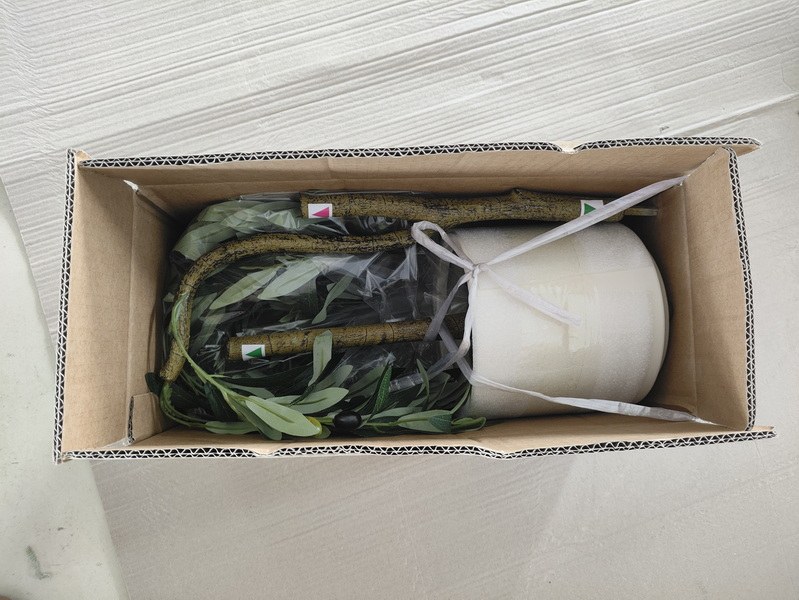
If an inspection reports an overall workmanship result and a quantity shortage, treat them as separate findings. For example, an archived LANCE bookend inspection report lists 16,000 pieces ordered and 15,921 ready for inspection, which is 79 fewer than ordered. Its overall result is “Passed,” and the final accept/reject decision is left to the client. The report does not show that the buyer accepted the shortage or that those goods were shipped. The buyer decides separately from the workmanship result whether to accept the short quantity, wait for the balance, or adjust the order. Record both findings in the master list, together with the buyer’s decision on each and a named responsible party. For guidance on reading and acting on inspection findings, see what an inspection report should show.
Record every hold and release decision with the name of the person who made it and the date. Also record the corrective work, any recheck, and the authorized release decision. Pressure to load does not resolve a defect, and an approval should not override an unresolved safety issue.
Packaging and Cargo Compatibility
Mixed-supplier shipments often combine products that differ in fragility, finish sensitivity, and weight. Before you approve a combined load plan, ask your forwarder or competent logistics staff to confirm whether the products can be loaded together. Protect fragile goods and sensitive finishes from compression and contact damage. The responsible logistics team should assess the actual cargo and packing before deciding how to place and secure it.
Before you accept the combined load plan, tell the forwarder about any special handling or transport constraints. Identify cargo that needs separation or a different service before it reaches the loading area.
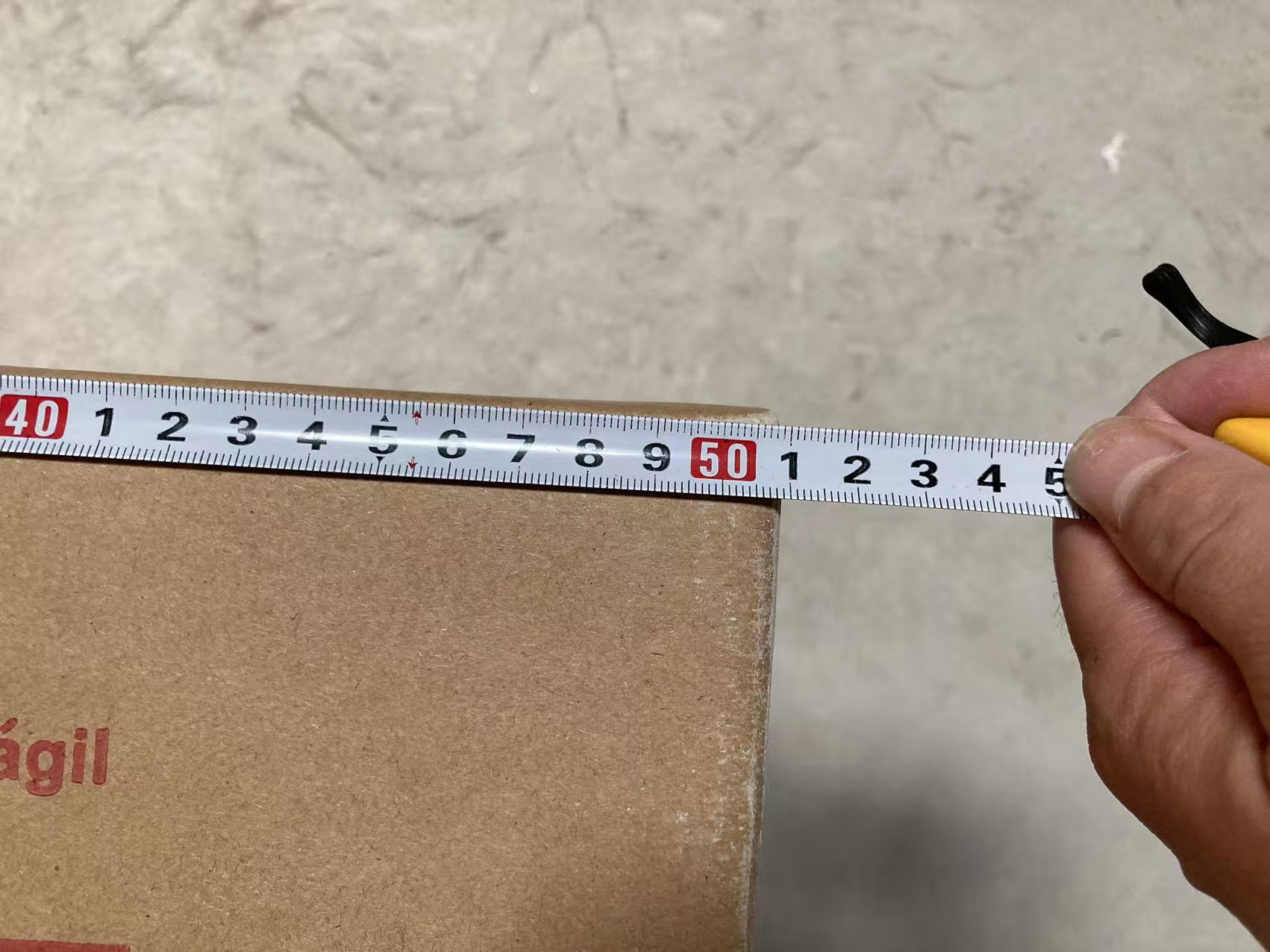
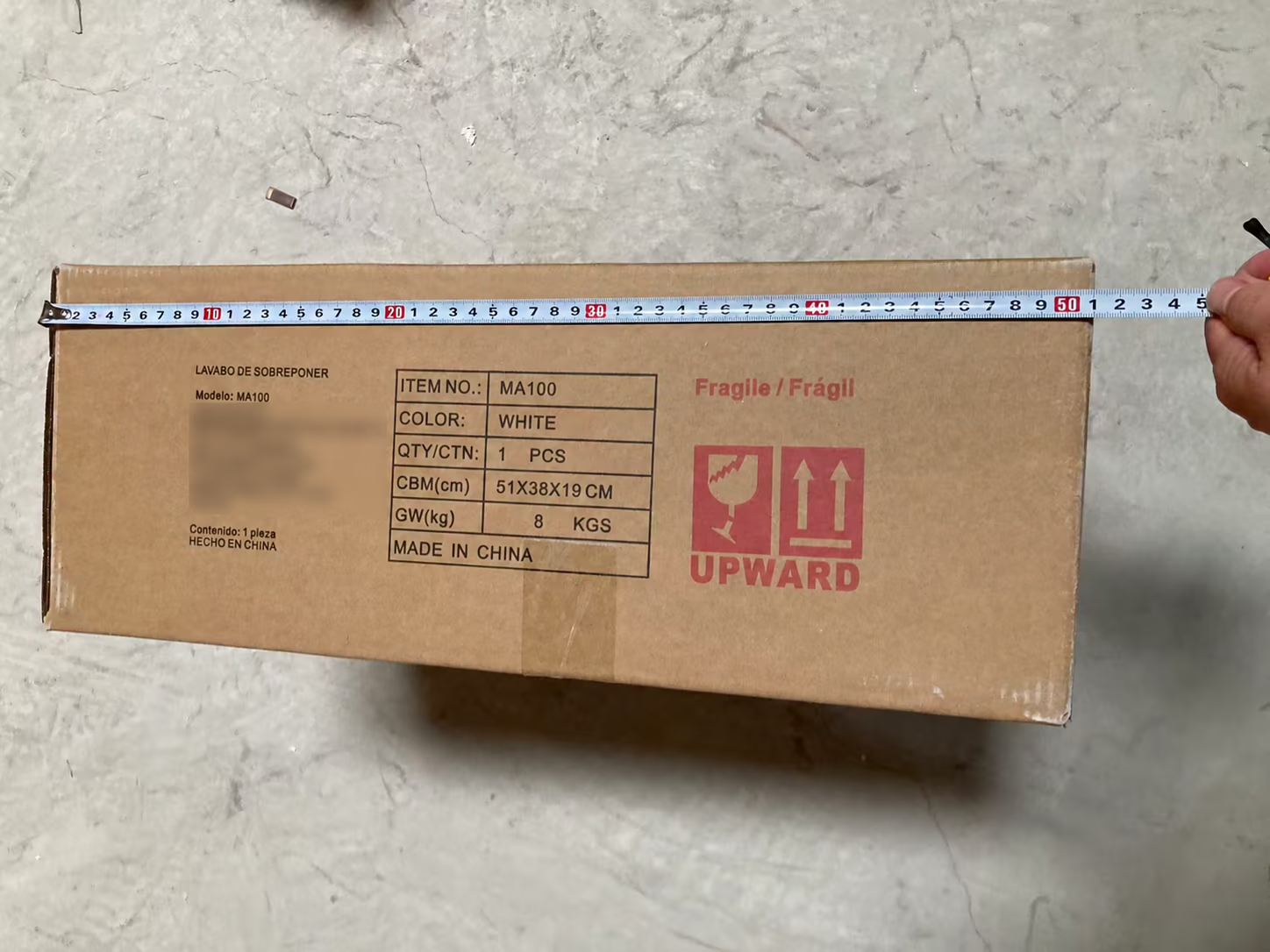
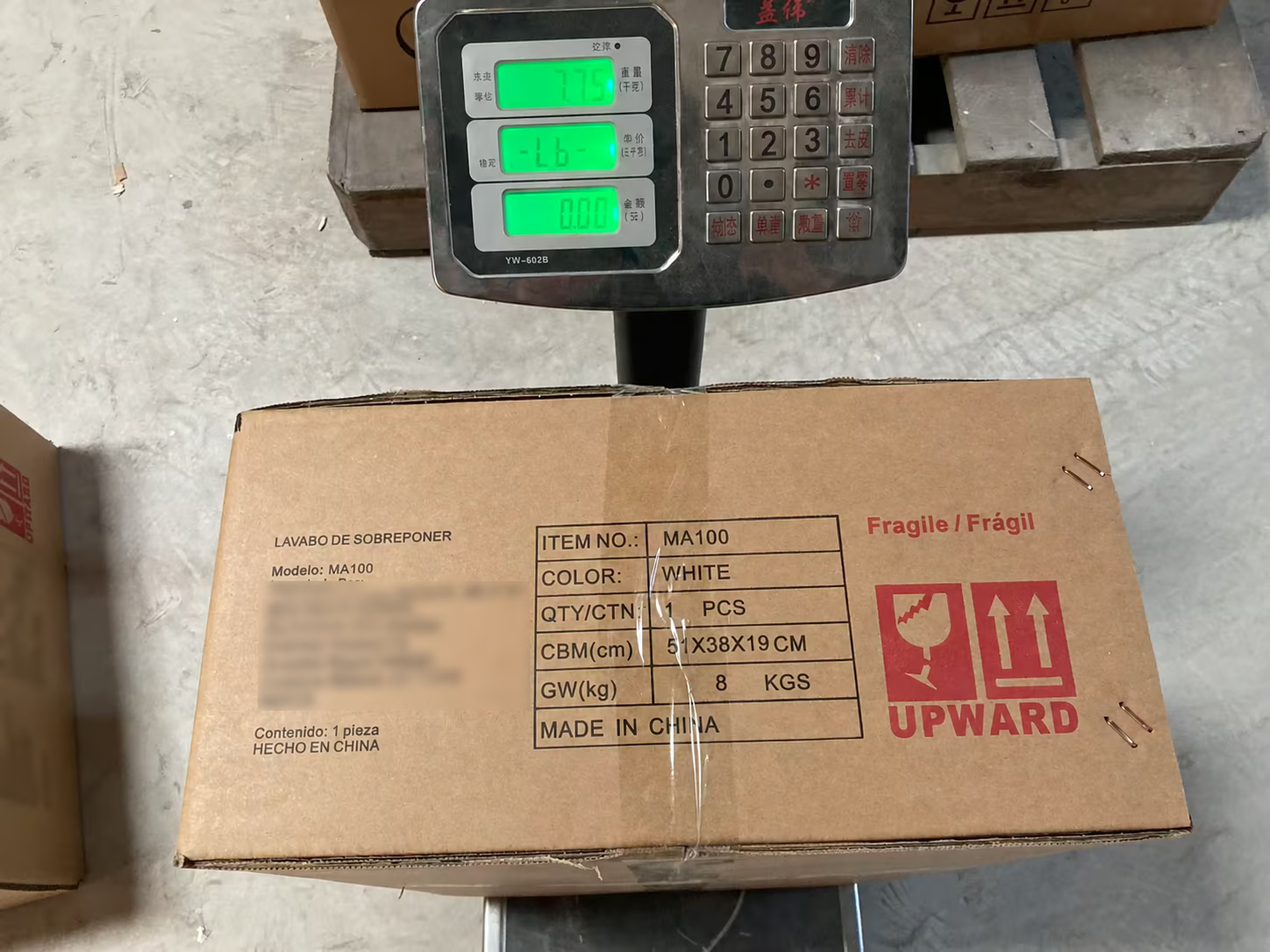
After repacking, recount the packages and verify their dimensions and weights. If only the labels change, check the new references against the package contents and the master list. If the packing has changed, do not reuse the original carton dimensions or weights. Errors in those figures affect container utilization planning, freight weight calculations, and the accuracy of the packing list.
When a Supplier Is Late
Decide in advance what will happen if a supplier delivers late or delivers goods that cannot be released. You can revise the booking, ship the released goods and plan a later balance shipment, or agree an order change with the supplier. The cost and commercial effects of each option depend on your specific order, contract terms, and relationship with the supplier. No option is correct by default.
Dispatch Reconciliation
Before you approve loading, reconcile the master list with the physical packages staged for dispatch. Confirm that the packages selected for this dispatch are present and released, and keep held goods clearly separated. Do not check only a combined total. Match each supplier/PO/SKU line and the actual package types to the final dispatch list.
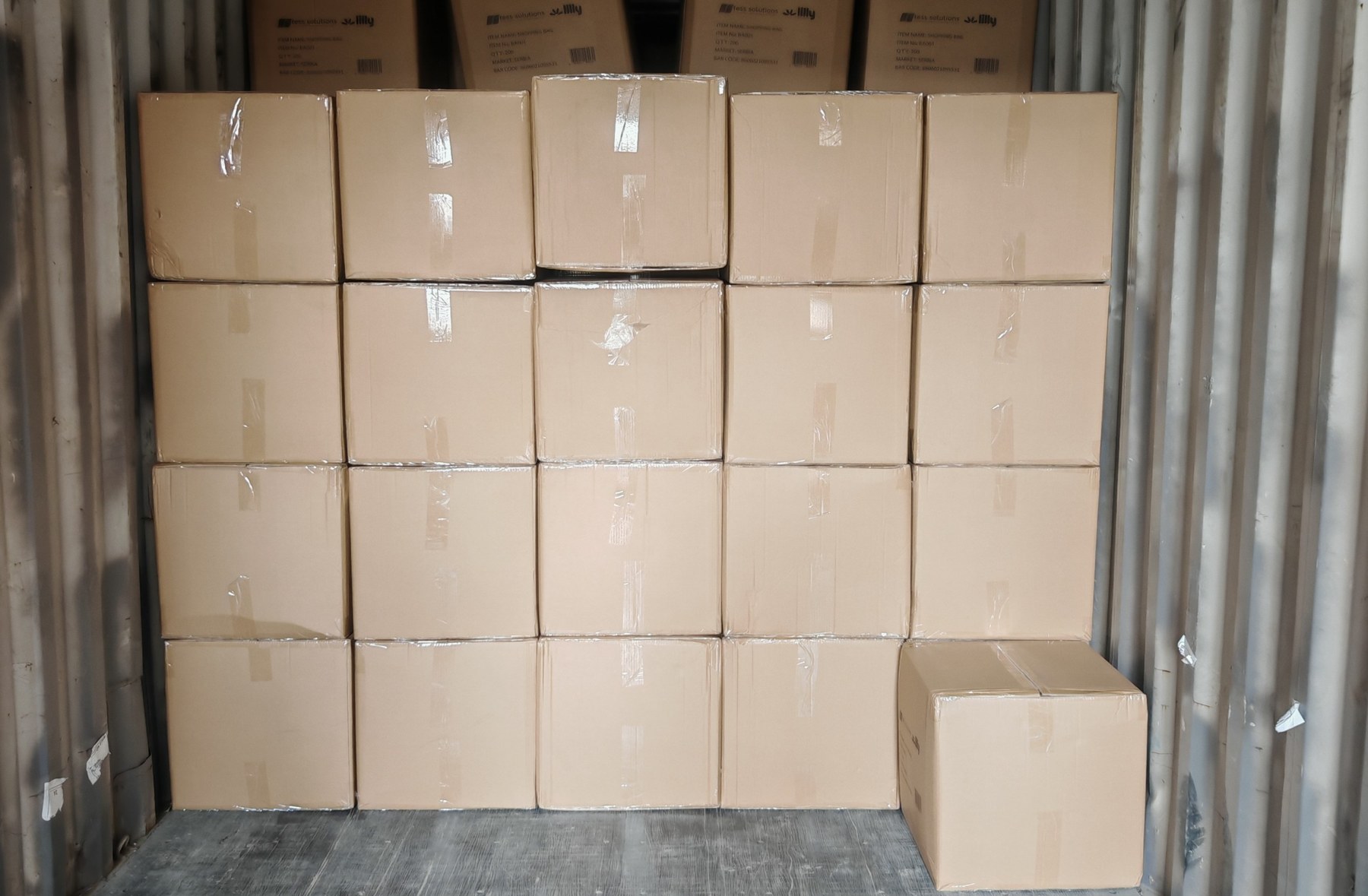
A container supervision report from a mixed-goods shipment shows why package types matter during reconciliation. The shipment was recorded as 282 packages, made up of 263 cartons and 19 bags. Some fields in that historical report use “cartons” as shorthand for the total, while the detailed summary lists the bags separately. In your own list, keep that distinction instead of copying the shorthand. Record each actual packaging type—cartons, bags, pallets, rolls—separately, and make sure that the packing list shows the same breakdown. For a detailed loading checklist, see from warehouse to container.
After dispatch, reconcile the shipped and remaining balances by supplier and SKU. For a container shipment, keep the loading and seal record together with the final packing list. Send the actual shipment quantities and any order amendments to the party that prepares the invoice and shipping documents. Resolve any differences before those documents are finalized.
For an industry reference, Maersk’s warehousing and distribution overview describes how goods are combined at consolidation centers before export.
Compare the Total Cost
Combining orders may reduce repeated transport movements or make better use of a booked load, but it does not guarantee a lower total bill. When you compare the available plans, use the same destination, delivery scope, and timing for each.
- Before the warehouse: supplier delivery or collection, including any extra trip for a replacement or missing balance.
- At the warehouse: receiving, storage terms, agreed inspection, rework, repacking, and labeling.
- After release: onward transport, quoted destination handling, and any extra cost of a split shipment or changed booking.
Ask what is included, what is charged separately, and when storage charges start. Then compare two choices: waiting for the final supplier or sending the ready goods separately. Base that comparison on current quotes and the effect of delay on your order. Do not assume that fewer shipments always mean a lower total cost.
Compare Consolidation Costs at Every Stage
Before the Warehouse
- Supplier delivery or collection to the receiving point
- Any extra trip for a replacement or missing balance shipment
At the Warehouse
- Receiving, storage terms, and agreed inspection fees
- Rework, repacking, and labeling charges
- Ask when storage charges start
After Release
- Onward transport and destination handling
- Any extra cost of a split shipment or changed booking
- Cost of waiting for a late supplier vs. shipping ready goods separately
Frequently Asked Questions
Does consolidating always mean one container?
No. Your combined cargo may fill a full container, share space in an LCL shipment, or move by another mode. That depends on total volume, weight, cargo compatibility, route, and the forwarder booking. Consolidation at origin is a coordination process. The transport arrangement is a separate decision that you make with your forwarder, based on the actual cargo figures once the goods are received and measured.
Who decides the inspection scope for each supplier?
The buyer decides, ideally before the goods are produced. Agree the scope in writing with whoever conducts the inspection—full count, product sampling, visual checks, or a combination—and record it in the master list. Different suppliers or SKUs in the same consolidation may need different inspection scopes, depending on product type, order value, and supplier history.
A supplier delivered short. Can the rest of the order still ship?
It can, if the buyer authorizes shipping the released goods separately and the supplier and forwarder confirm the arrangements. Record whether the missing balance will be supplied later, rescheduled, or removed through an agreed order change. Before releasing the partial shipment, check how it affects the packing lists, booking, and charges. A workmanship pass does not automatically resolve a quantity shortage, because the two findings are recorded and decided separately.
If goods are repacked, how is supplier traceability maintained?
Cross-reference each new package ID with the original supplier, PO, and SKU in the master list. Then recount and remeasure every repackaged carton, and update the packing list with the revised figures. Do not assume that the original dimensions or unit counts still apply after repacking. For guidance on approving samples and materials before production is complete, see comparing materials and finishes.
Sources
The process guidance in this article draws on the following primary records. Each record was reviewed separately, and together they do not represent a single shipment: LANCE sourcing and logistics brochure (workflow overview, shipping mark and packing photography); LANCE container supervision report (mixed-goods loading record, 263 cartons + 19 bags reconciliation case); LANCE pre-shipment inspection report (16,000-piece order, 15,921 ready, shortage and workmanship findings recorded independently); LANCE initial/pre-production inspection report (retained reference samples, specification confirmation before production completion); MA140 artificial plant inspection photographs (an individual packing example, separate from the historical loading record).
Discuss Your Consolidation
If you are planning a multi-supplier shipment from Yiwu and want to discuss scope, timing, and coordination, share your supplier list, PO and SKU references, expected readiness dates, estimated package counts, destination, and required arrival date. With that information, we can have a realistic conversation about what consolidation involves for your specific cargo. Contact us to start that conversation.

Jack
10+ years of management experience, sharing insights on market trends, product positioning, and business growth.


