Container Loading Checklist: From Warehouse to Sealed Container
Check packing lists, container condition, loading progress, cargo securing, and seal records with a practical checklist and real LANCE loading photos.
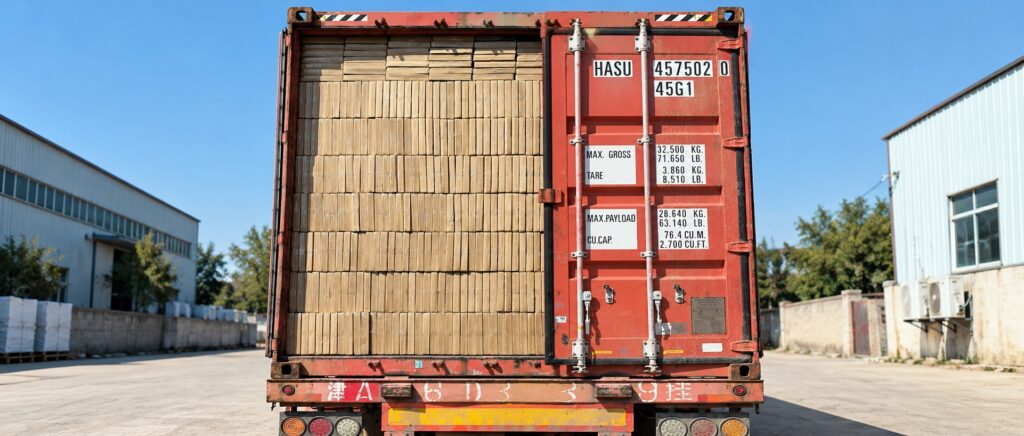
Before you release the container
Reconcile the loaded packages and resolve any discrepancies. Then save the container number, seal number, staged photos, and signed loading record together.
What a Container Loading Checklist Should Cover
A container loading checklist records what was physically observed, counted, and verified at each stage of loading a cargo transport unit. If you commission loading supervision, you should receive a written report that names the checker and records the date and location. The report should also list the packages counted against the packing list, document the container condition before and after loading, and include photographic evidence at defined stages. The report records conditions only at the time and place of inspection. It does not guarantee against hidden defects, confirm product quality, or show the condition of goods after the container leaves the warehouse.
First-time importers often confuse two points. First, package counts are not the same as product unit counts. A packing list may show 263 cartons and 19 bags, or 282 packages in total, as in one historical LANCE report. However, those packages contain varying quantities of individual product units. The loading checker reconciles packages, while a separate pre-shipment product inspection samples and checks the goods inside. Second, loading supervision is not pre-shipment product inspection. A pre-shipment inspection examines samples, dimensions, labeling, and defect rates. Loading supervision records package counts, marks, container condition, loading observations, and seal identification within the agreed scope. Both services are useful, but neither can replace the other.
Stage 1: Before the Truck Arrives
Prepare the documents, staged cargo, and responsibilities before the container reaches the loading location, so that any discrepancies can be resolved before loading starts.
- Confirm the final packing list. Obtain the latest dated packing list from every supplier, and agree which version will be used for loading. For a consolidation shipment, merge these lists into one master list. The master list should show each supplier’s cartons and bags separately, with running totals.
- Confirm shipping marks. Each package should carry the agreed shipping marks so that it can be traced to the packing list. Depending on the shipment, the marks may include a consignee code, destination, package number, or weight information. Agree on the mark format with suppliers in advance, and ask them to send photos before loading day.
- Assign a named checker. Before loading day begins, identify the person who will supervise loading by name and role. Record the checker’s name and role so that questions can go directly to the person who observed the loading.
- Prepare the evidence template. Decide in advance which stages will be photographed, what each photo must show, and how the photos will be filed. Label each photo by shipment, loading stage, and time, and link it to the count sheet. A photo alone cannot establish how many packages were loaded.
- Review the securing plan. Decide how cargo will be arranged, supported, and restrained before loading starts. Base that decision on the actual cargo type, packaging strength, container size, and intended route. Loading should not begin without a plan. If no securing plan exists, that is a hold trigger: stop and resolve it before proceeding.
Stage 2: Empty Container Inspection
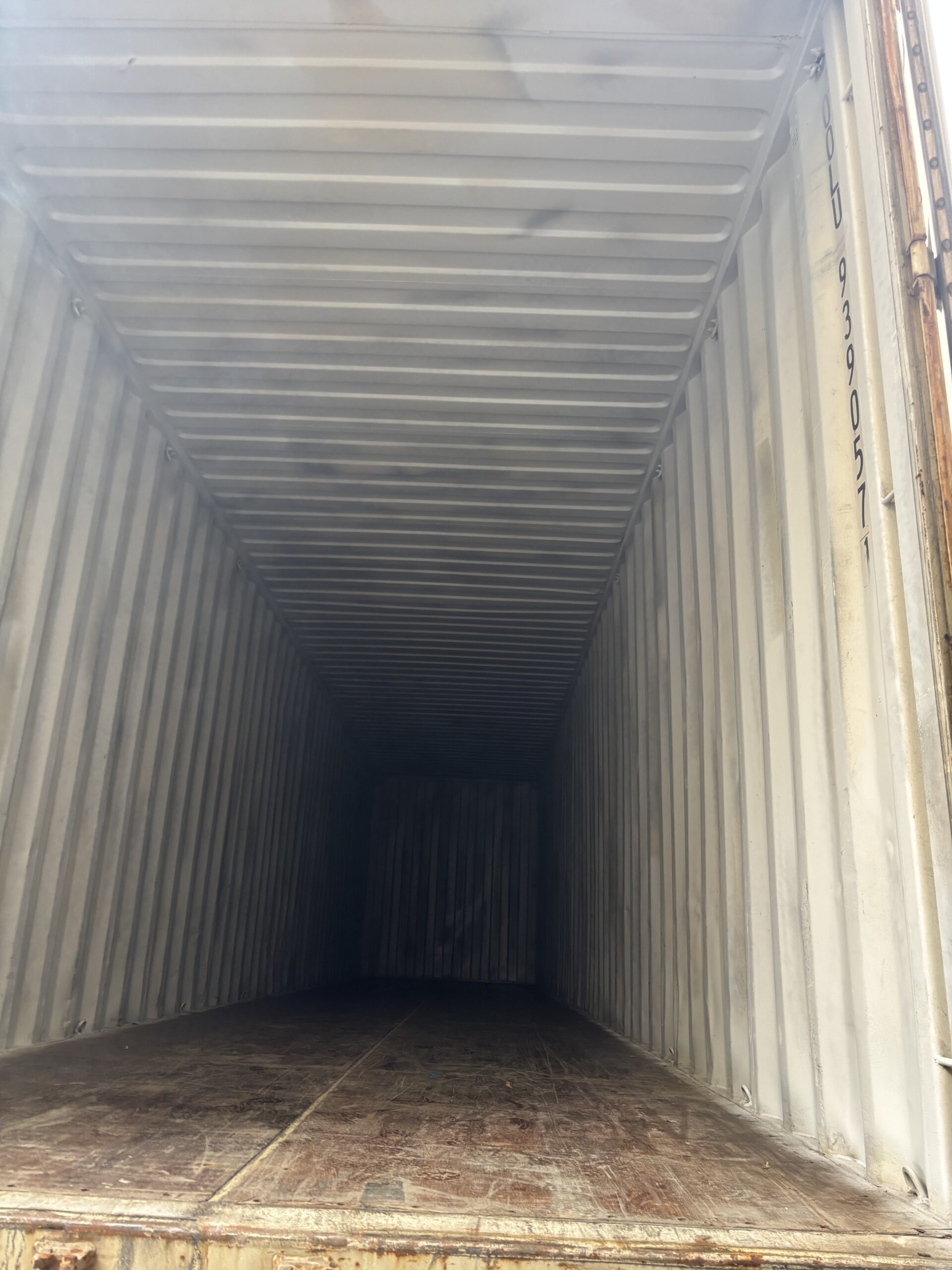
Inspect the empty container before a single carton enters it. Never instruct workers to enter a container until it has been assessed as safe to enter.
Check the following items from outside the container and then, once it is confirmed safe, from inside:
- Container identity. Record the container number shown on the door, and verify that it matches the booking confirmation. A mismatch is a stop/hold trigger. Do not load until the discrepancy has been resolved with the freight forwarder and the corrective action has been recorded.
- Structural condition. Look for holes, bent walls, damaged floor boards, and broken door seals. Any structural defect that could let water in or compromise load integrity is a hold trigger.
- Cleanliness and contamination. The container should be free of residue, odor, standing water, and debris from a previous cargo. Any contamination that could damage or taint consumer goods is a hold trigger.
- Moisture and condensation risk. Sunny weather on loading day does not, by itself, show whether condensation protection is needed. The relevant factors include the nature of the cargo and its packaging, the voyage duration and routing, and conditions at the destination. Competent personnel should assess these factors before loading day, not on the spot.
For each check, record the result and who observed it. Before loading begins, photograph the empty interior, including the floor, walls, and door end.
Stage 3: Packing List and Shipping-Mark Reconciliation
Before any packages are loaded, the checker should walk through the staged cargo and reconcile it against the master packing list.
- Count total packages by type. In a mixed consolidation, count cartons and bags separately. Show each package type as well as the combined total. Also keep supplier and SKU references so that an overall total cannot hide a shortage on one line.
- Spot-check shipping marks on a representative sample of packages. Verify that the marks match the packing list entries for consignee, destination, and package numbering sequence.
- Inspect packaging condition, and set aside any wet, crushed, or torn cartons before loading. Record and photograph the damage. The responsible party should then arrange repacking or replacement as needed. If packaging remains unsuitable, do not load it simply because someone approves dispatch.
- Record any discrepancy between the physical count and the packing list. An unreconciled quantity difference is a hold trigger. Do not proceed until the difference has been explained and the correction has been documented.
Stage 4: Progressive Loading Records
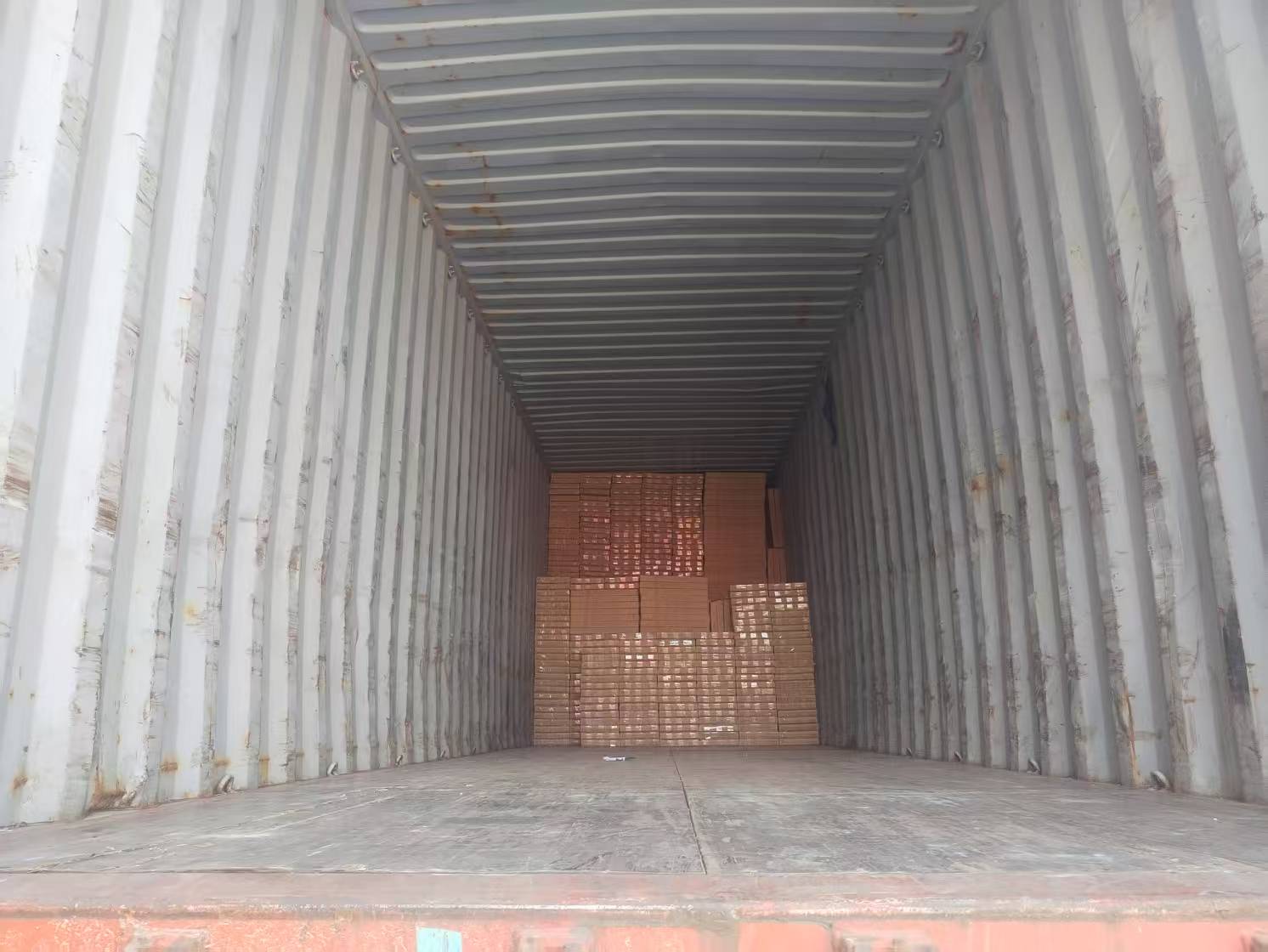
Record loading in stages, not just at the start and end. A useful progressive record shows the state of the load at defined intervals. For example, record it when the container is roughly one-quarter full, when it is one-half full, and at the final load before the doors are closed.
At each stage, the checker should note:
- The running package count at that point
- Whether the arrangement matches the securing plan
- Any handling damage observed during loading
- Any deviation from the planned sequence, with the reason
At each stage, photographs should show the load face, the container door number where possible, and any notable condition. However, a photo of a completed load face does not by itself verify that the load is adequately secured. Competent personnel must assess the securing against the securing plan.
Stage 5: Cargo Placement and Securing
The way cargo is arranged inside the container affects both the safety of the load in transit and the condition of the goods on arrival. The right arrangement depends on the specific cargo, its packaging, the container type, and the route. It should not be based on a fixed rule about layers or weight limits applied to every shipment.
The following general principles apply to most consolidations of general consumer goods:
- Use the agreed load plan to distribute weight and protect weaker packages. Heavier goods are generally placed lower. However, placement must also account for carton strength, concentrated loads, and the container’s limits. Fragile goods need protection; they should not automatically go on top.
- Load cargo so that it moves as little as possible in transit. Fill or brace any voids that would let packages shift, following the securing plan.
- Stay within the container’s rated payload and other relevant equipment limits. Keep the door area clear so that the doors can close and the planned restraint can be fitted. Never rely on the doors alone to hold an unstable load in place.
- Competent personnel should choose the securing method for the actual cargo and route, whether that means dunnage bags, strapping, load bars, or another approach. A photograph of a loaded container does not confirm that the restraint is adequate.
The IMO/ILO/UNECE Code of Practice for Packing of Cargo Transport Units (CTU Code) is a non-mandatory international reference. It covers the responsibilities of the parties involved in packing and securing cargo transport units, including training and documentation. Buyers can use it as background to understand the guidance that their logistics providers should be working within. See the IMO CTU Code page for an overview.
Stage 6: Sealing and Final Release
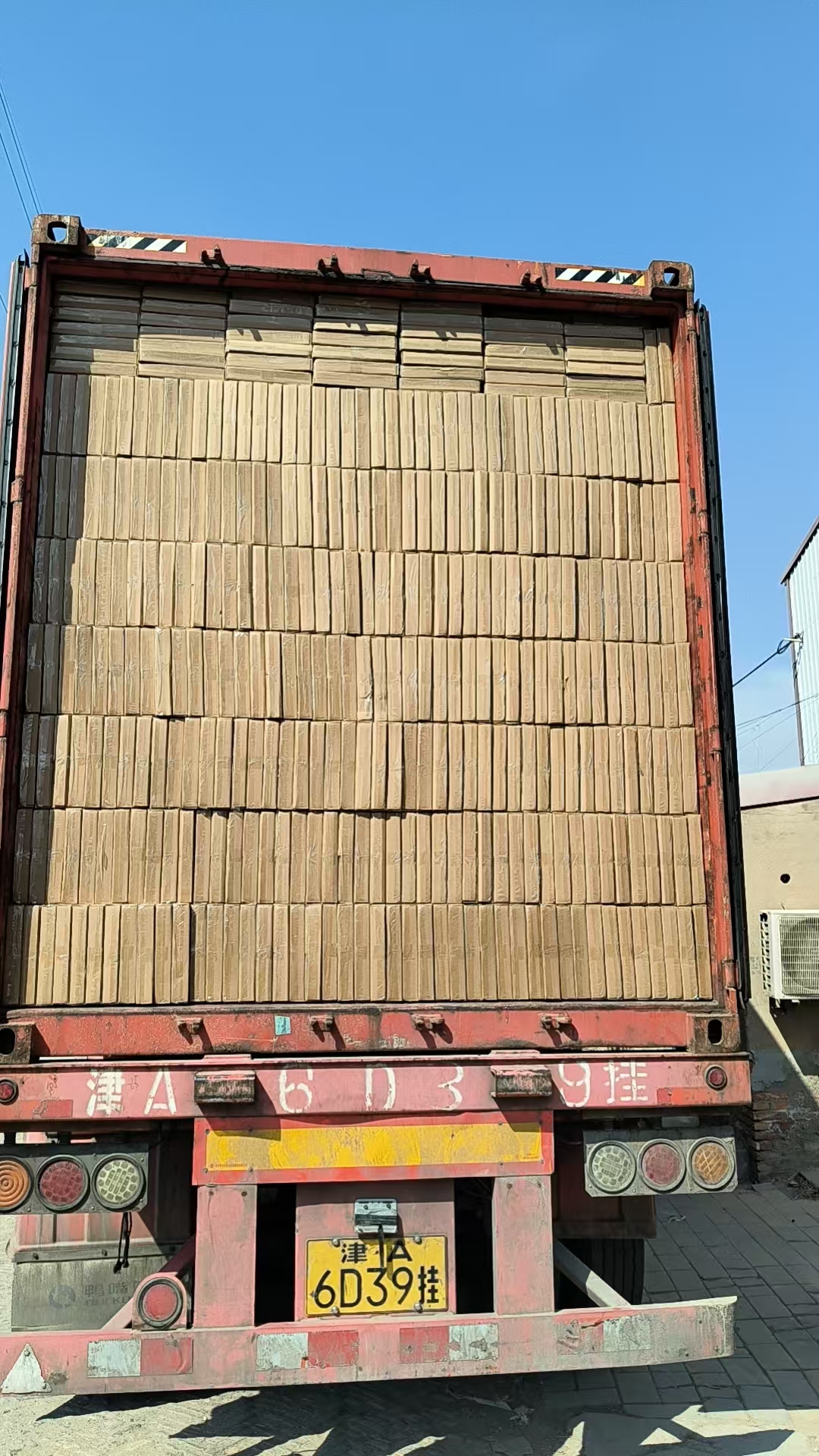
Before the container doors are closed, complete the final package count and reconcile it against the master packing list. Any remaining discrepancy is a hold trigger.
- Final count. Record the total packages loaded by type. For a mixed consolidation, record cartons and bags separately, along with a combined total.
- Door condition. Confirm that the door gaskets are intact and that the doors close and lock correctly.
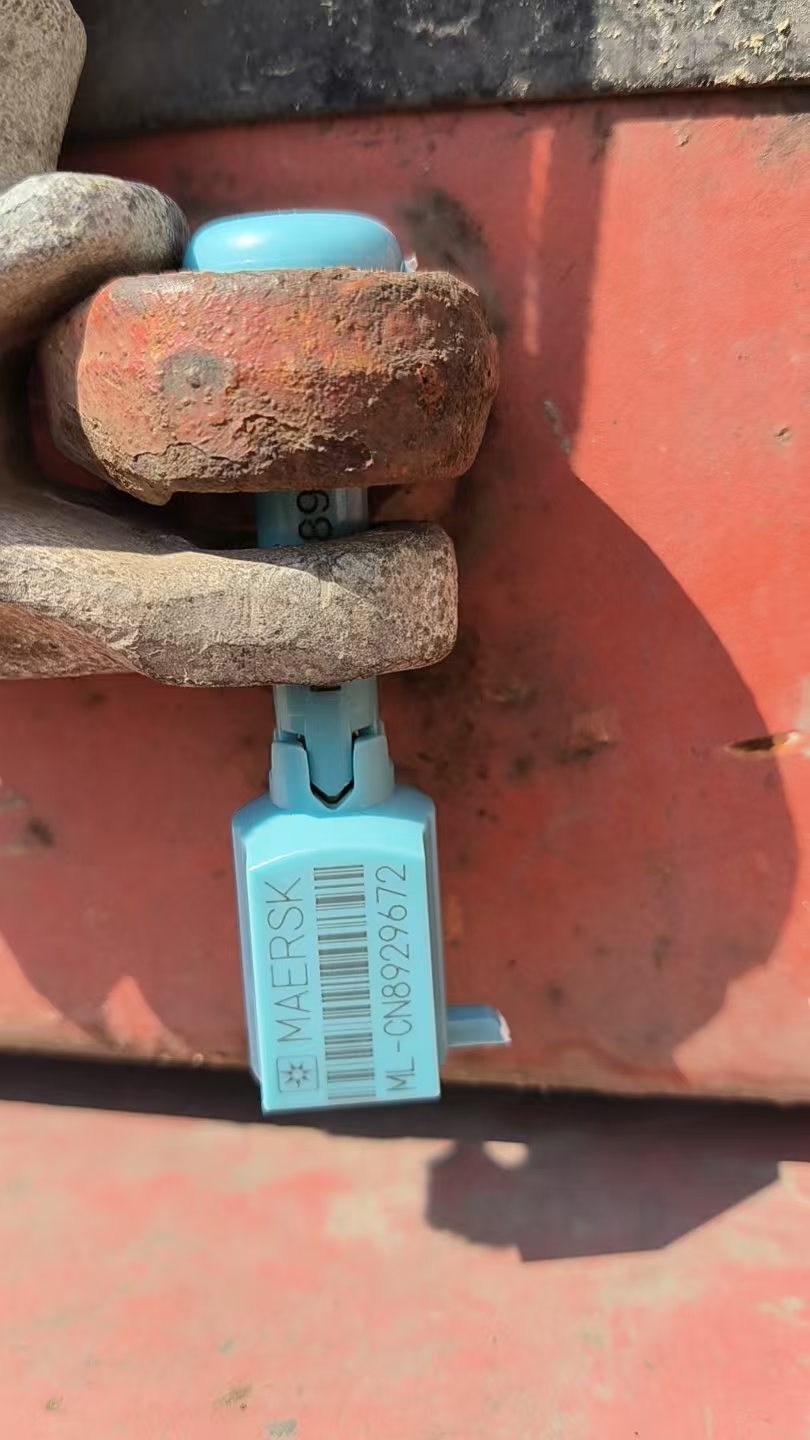
- Seal application. The seal should be applied by the checker or in the checker’s presence. Record the seal number immediately. Take a readable close-up of the applied seal, and take a separate wider photograph that shows the closed doors and the container number. Link both photos to the same loading record.
- Seal number verification. Send the actual seal number to the forwarder. Reconcile it with the shipping instructions and any documents that record seal identification. If the seal is later changed with authorization, document the change and notify the relevant parties. A wrong or unrecorded seal number is a hold trigger: do not release the container until the correct number has been confirmed and documented.
- Release approval. The checker records that all stages are complete and that all hold triggers have been resolved. The container can be released only when that record is complete. Buyer approval does not override unresolved safety or securing issues.
Evidence and Report Checklist
A useful loading supervision report contains more than a list of ticks. For each item, it should show who checked it, what was observed, what evidence was collected, and what correction or approval was recorded. Use the table below as a practical starting point, and agree on the evidence requirements for your shipment before loading.
| Stage | Check | Evidence |
|---|---|---|
| Pre-loading | Current packing list agreed; marks confirmed; load and securing plan ready; checker named | Dated master list; mark photos; load plan; checker name |
| Empty container | Container ID matches booking; no structural damage; no contamination; condition assessed before entry | Container number recorded; interior photos (floor, walls, door end); written condition note |
| Pre-load count | Physical package count matches packing list by type; marks spot-checked; damaged packaging flagged | Count sheet signed by checker; mark spot-check notes; damage photos and corrective action record |
| Progressive loading | Running count at defined intervals; arrangement matches securing plan; handling damage noted | Stage photos with visible load face; running count notes; deviation log if applicable |
| Cargo securing | Securing method applied per plan; voids addressed; door-end load clear of door seal | Securing plan reference; photos of completed load face; checker sign-off |
| Sealing | Final count reconciled; seal applied and number recorded; seal photo taken | Final count sheet; seal number on report; Readable seal close-up plus wide closed-door photo |
| Release | All hold triggers resolved; corrective actions documented; release approved | Completed report signed by checker; corrective action log; release approval record |
Industry references such as SGS loading supervision describe a similar scope: quantity and traceability checks, container condition, packaging and labeling verification, damage documentation, and seal identification. SGS is cited here only as an industry reference, not as a partner or endorsement.
Frequently Asked Questions
Is loading supervision the same as a pre-shipment inspection?
No. The two services address different risks. A pre-shipment product inspection samples the goods, checks dimensions and weight, reviews packaging and labeling, and counts defects. For the separate LANCE inspection service, see what an inspection report should show. Loading supervision focuses on the packages loaded, container condition, handling, and the seal record. Choose the inspection and supervision scope according to the product and shipment risks, and do not treat one report as evidence of checks that were never performed.
Does consolidating from multiple suppliers make loading supervision more complicated?
Yes. The added complexity grows with the number of suppliers and the variety of packaging types. Each supplier’s packages must be counted and reconciled separately before they are combined into a master total. Shipping marks from every supplier must be present and correct. The securing plan also needs to account for mixed package sizes and weights. This added complexity is one reason that a named checker with a structured checklist matters more, not less, in a consolidation shipment.
What should I do if the checker raises a hold trigger?
Contact the responsible party immediately. Depending on the issue, that may be your freight forwarder, the warehouse, or the relevant supplier. Document the hold trigger in writing: what was found, when, by whom, and what action was taken. Do not resume loading until the corrective action has been recorded and approved by the appropriate party. Schedule pressure or buyer approval should not override an unresolved safety issue.
What does a loading supervision report not cover?
A loading supervision report covers only conditions at the time and place of inspection. It does not cover what happens to the cargo after the container is sealed and released. It does not verify the quality of goods inside sealed cartons unless a separate product inspection was conducted. It also does not guarantee that the load will arrive undamaged, because transit conditions are outside the checker’s control. Any report that claims otherwise overstates what loading supervision can deliver.
Sources and Photo Notes
The workflow and suggested evidence in this guide are based on LANCE historical container loading records. These include an 8-page container supervision report on a 20ft general-purpose container loaded at Yiwu with a mixed consolidation of cartons and bags. Several illustrative details reflect that report’s structure: separate carton and bag counts, staged photo records at defined loading intervals, and records of container identity and seal number. Specific figures from that report are observations from that one shipment and are not presented as general rules or capacity guidelines. The photographs come from LANCE’s supplied loading records and illustrate separate checkpoints. They should not be read as a complete record of one shipment or as proof that a securing arrangement is adequate. Report findings apply only to the time and place inspected.
Discuss Your Shipment
If you are planning a consolidation from Yiwu and want to know what loading supervision would cover for your shipment, please share the following when you contact us: your packing list or a draft of it, the number of suppliers involved, your cargo ready date, and any special requirements for your cargo type or packaging. That information lets us discuss the right supervision scope for your situation.
Contact us to discuss your supervision requirements or learn more about the broader sourcing and order management service.

Gary
10+ years of experience in supplier management, sharing practical insights on supplier selection and sourcing relationships.


