What Should an Inspection Report Include? Real Examples from LANCE
Measurements, packaging and photos you can compare against your sample.
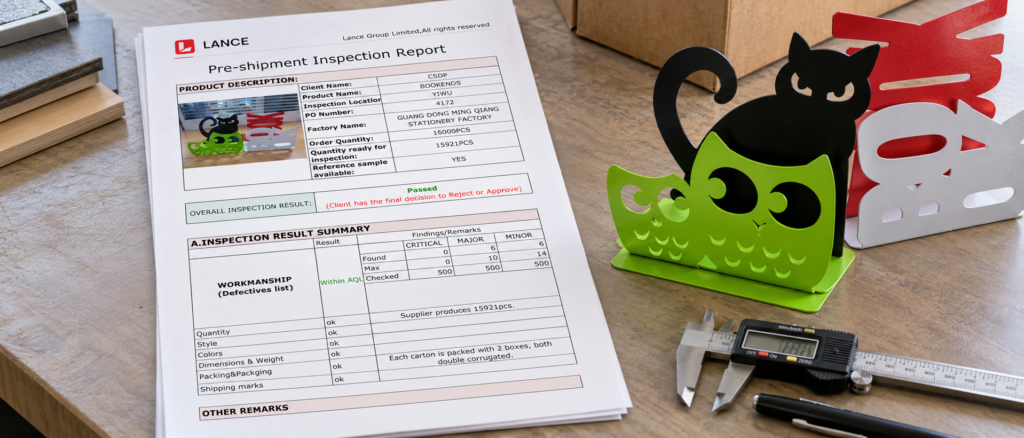
One of our archived pre-shipment inspection reports covers an order of bookends and gives an overall result of Passed. Yet the same first page shows that 16,000 pieces were ordered, but 15,921 pieces were ready for inspection.
That is 79 units short.
The report notes the difference in its remarks and again on page two. However, the quantity row itself is marked OK. A buyer who skims for a verdict could see “Passed” and “OK” and miss the fact that the available quantity did not match the order.
This example shows that an inspection report needs more than a result at the top. The report should let you compare what you ordered and specified with what the inspector actually found. You can then decide what needs to happen before shipment.
A useful inspection report should include:
- Product and order identification
- Ordered quantity and quantity available for inspection
- Inspection scope, sampling plan and sample sizes
- Specifications, reference samples and measured results
- Defect descriptions, classifications, counts and photographs
- Packaging and shipping-mark checks
- Outstanding issues, corrective actions and the buyer’s release decision
For container loading supervision, the report should also record the container’s condition, the number of packages loaded, the loading sequence and the seal.
The examples below come from three separate LANCE archives: a factory and pre-production review from 2026, an undated pre-shipment inspection, and a container supervision report from 2016. They concern different orders and products. The examples show useful reporting practices and also places where older documentation could have been clearer. They do not establish the current condition of any factory.
Start by Checking Which Inspection Stage the Report Covers
Different reports answer different questions.
An initial factory review helps assess the factory’s production capability and readiness. A pre-shipment inspection examines finished goods. Container supervision records what happens during loading.
| Stage | Example in the LANCE archive | Main evidence to look for |
|---|---|---|
| Initial factory and pre-production review | Shopping trolley bags, 2026 | Raw materials, production processes, sample measurements and unresolved specifications |
| Pre-shipment inspection | Bookends, date unconfirmed | Available quantities, sampling coverage, workmanship, measurements, packaging and markings |
| Container loading supervision | Mixed goods, 2016 | Container condition, package counts, loading sequence, identifying numbers and seal |
The 2026 report combines a factory capability assessment with sample and material checks. Read it as a combined initial review, not as a universal template for every pre-production inspection.
The stages you need depend on the product, the supplier, the order requirements and the shipping arrangements. For more information, see LANCE’s inspection and shipping service page.
1. Order Details and Quantity Differences
A report should identify the goods clearly enough for you to connect its findings to the correct order, product styles and specifications.
At minimum, check the product description, order reference, inspection location, inspection date, ordered quantity and quantity available.
The bookend report shows three decisions that should be kept separate:
- Workmanship: Was the inspected sample within the recorded acceptance limits?
- Quantity: Did the available quantity match the order?
- Release: Given all findings, should the goods ship?
For this order, the workmanship result was within the report’s acceptance limits. However, the available quantity was 15,921 pieces against an order of 16,000.
The report also states that the client makes the final decision to reject or approve. This distinction matters. An inspector’s assessment is not a record that the buyer accepted a shortage, unless that acceptance is explicitly documented.
A clearer report would flag the 79-piece difference separately instead of marking the quantity row “OK.” The buyer could then decide whether to accept a short shipment, adjust the invoice or wait for the balance.
The archived records supplied for this example do not show whether the shortage was accepted or resolved.
What to look for: Separate results for quantity, workmanship, measurements and packaging, with any discrepancies shown next to the overall conclusion.
2. Sampling Coverage and Inspection Parameters
“Goods inspected” does not tell you enough. The report should explain how much of the shipment was inspected and which sampling plan was used.
Page two of the bookend report records:
| Inspection detail | Recorded value |
|---|---|
| Inspection type | Pre-shipment inspection |
| Sampling standard | ISO 2859-1, with a legacy reference to Mil Std 105E |
| Inspection level | III |
| Critical defects | Not allowed |
| AQL for major defects | 1.0 |
| AQL for minor defects | 1.5 |
| Workmanship sample | 500 pieces |
| Cartons available | 799 |
| Cartons inspected | 26 |
These parameters were recorded for this particular order. They are not a general recommendation for every product or buyer.
The 500 pieces form a single workmanship sample, which was assessed across the defect categories. The table does not mean that 1,500 different pieces were inspected.
Measurement checks also need their own sample counts. In this report, some checks record 30 pieces rather than the full 500-piece workmanship sample. A reader should not have to guess whether each measurement or test covered every sampled unit.
The findings describe what was observed in the inspected sample. They should not be presented as an exact defect rate for the whole shipment or as proof that every unit is defect-free.
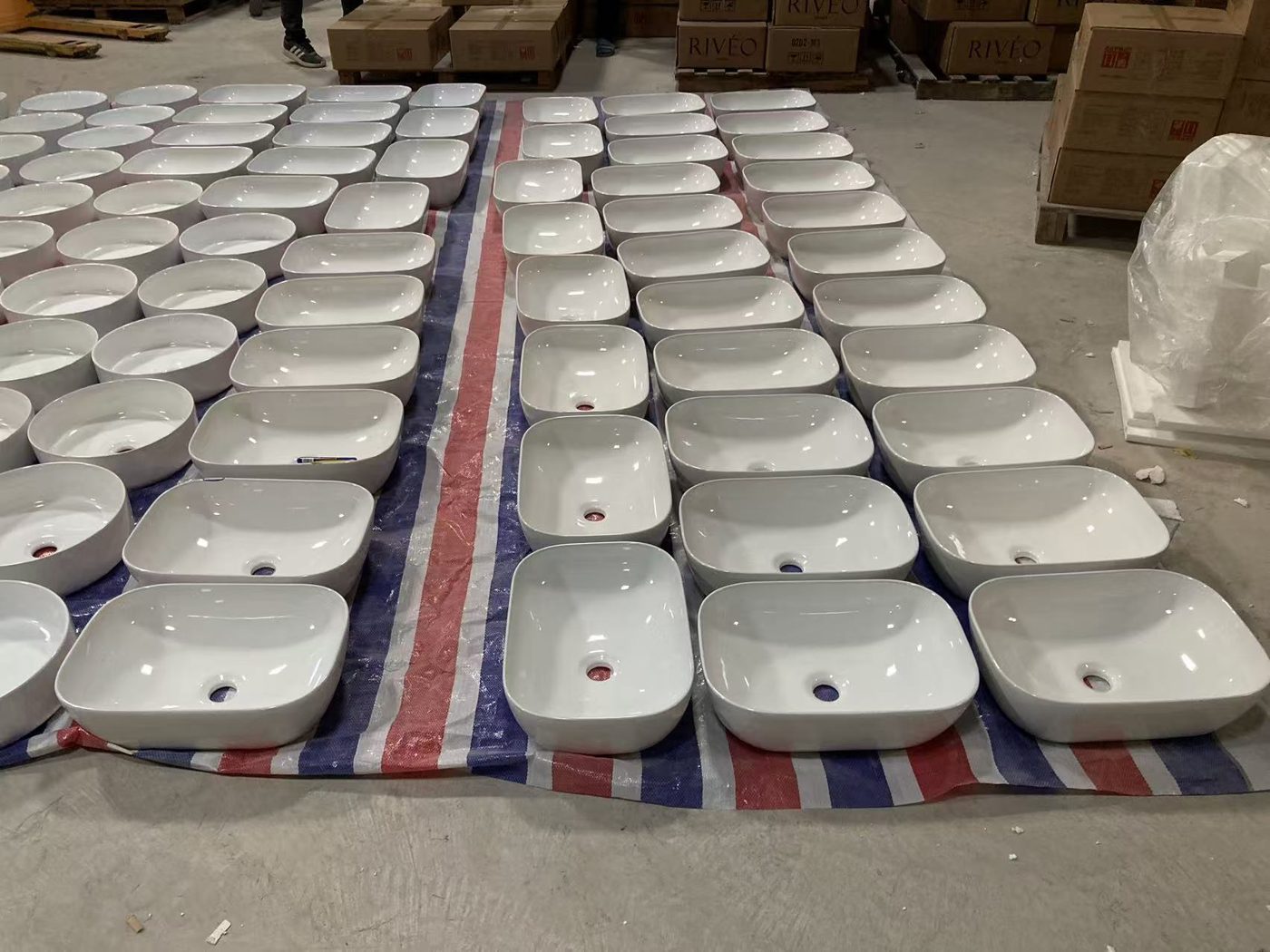
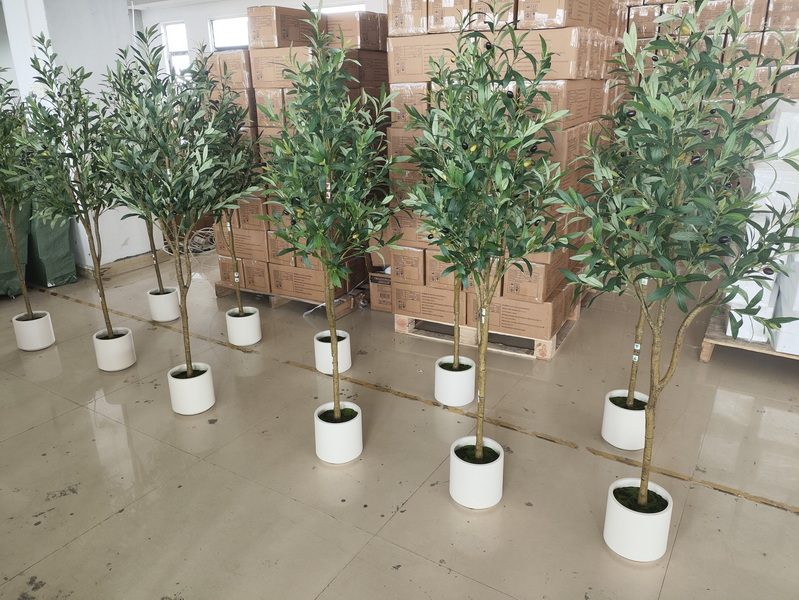
What to look for: The sampling standard, inspection level, AQL values, acceptance numbers, workmanship sample size, carton coverage and separate sample counts for individual tests.
3. Specifications, Reference Samples and Measured Results
An inspector needs a defined basis for comparison. A measured result shown beside an agreed requirement is much more useful than “Looks good.”
The bookend report records that a reference sample was available, including a blue sample approved before production. The report covers four product styles, compares them with the artwork and the reference sample, and records dimensions in millimeters.
Later pages show weight, thickness and dimension checks, with the measuring tools visible in the photographs.
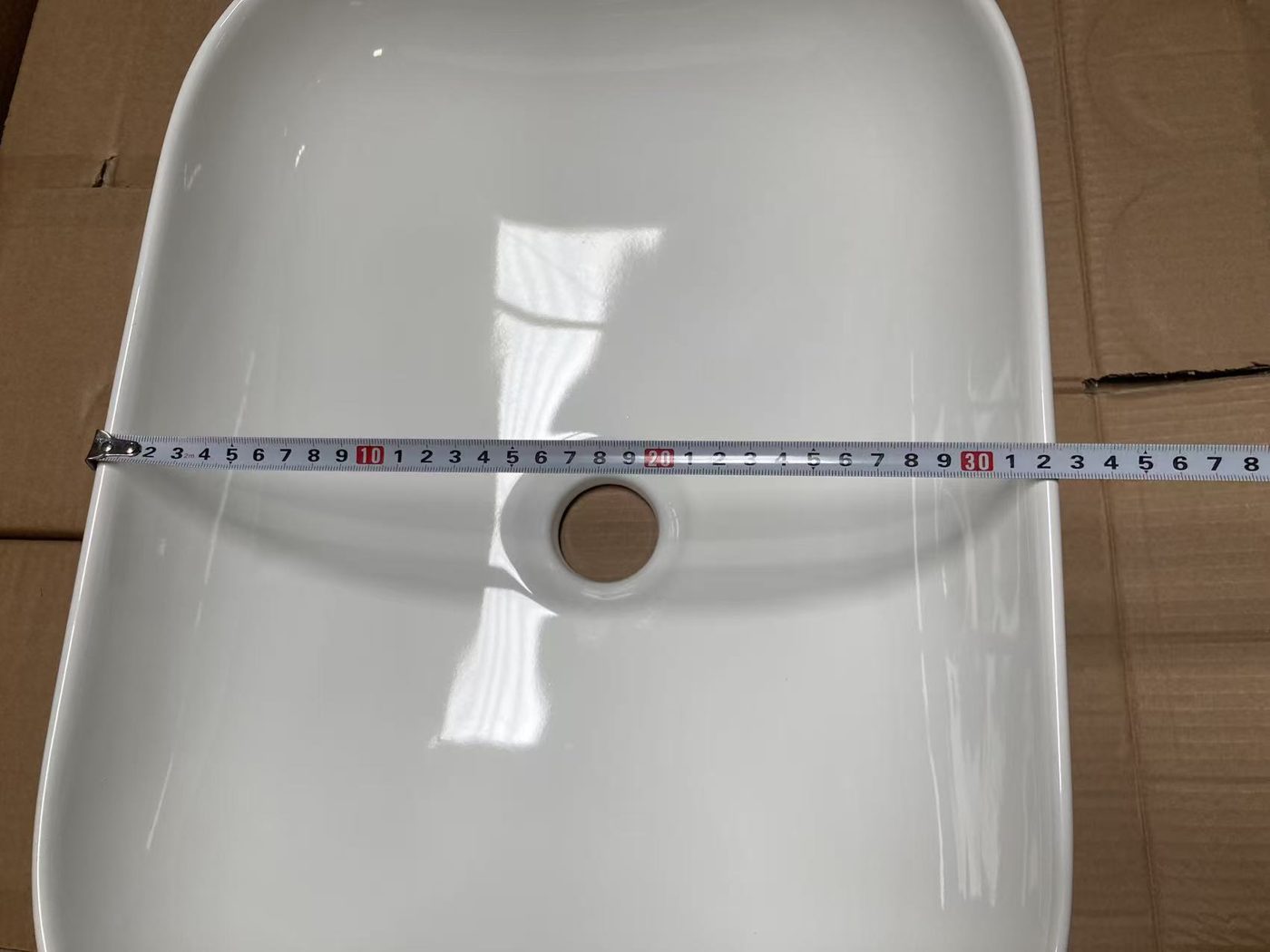
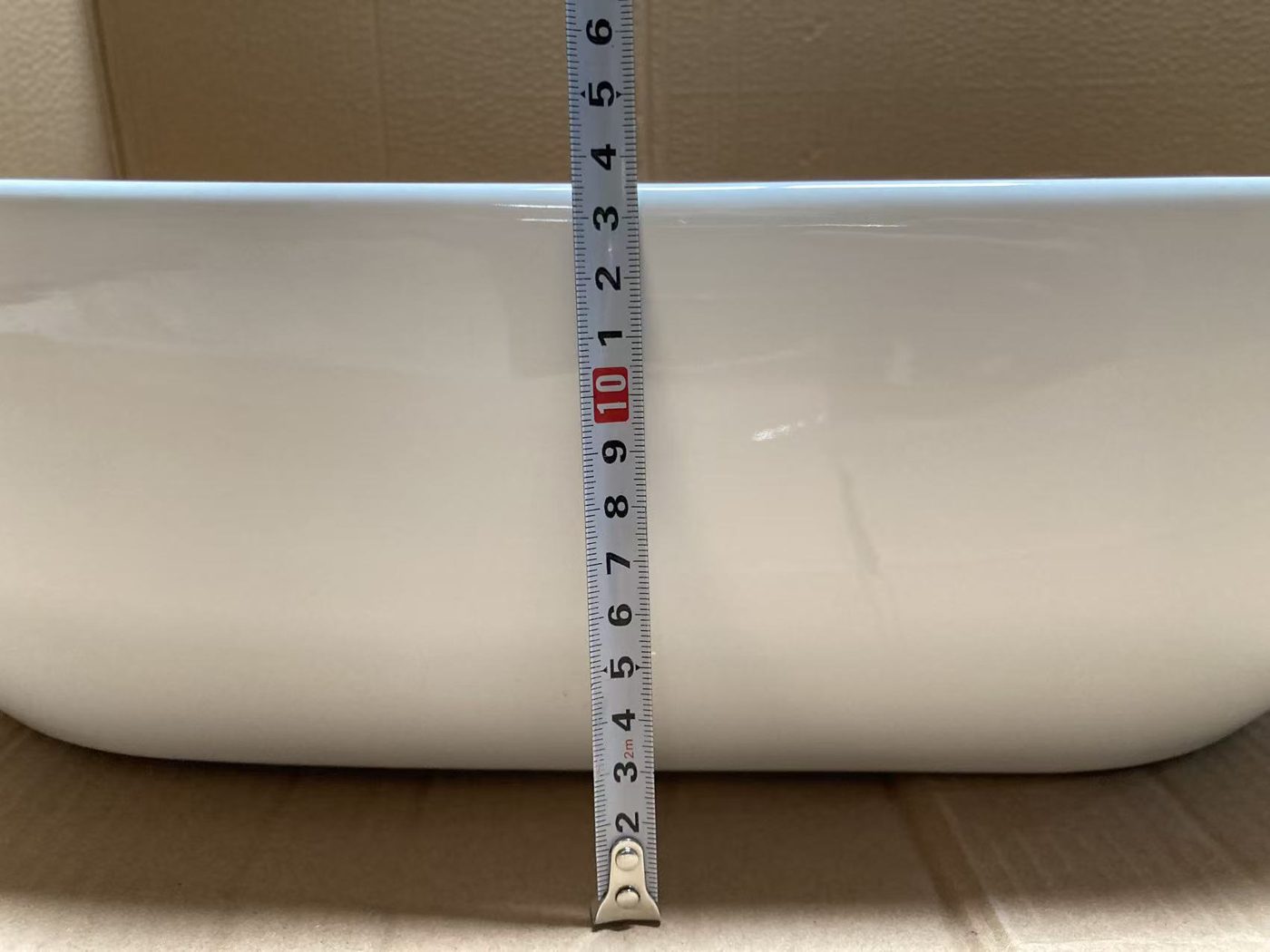
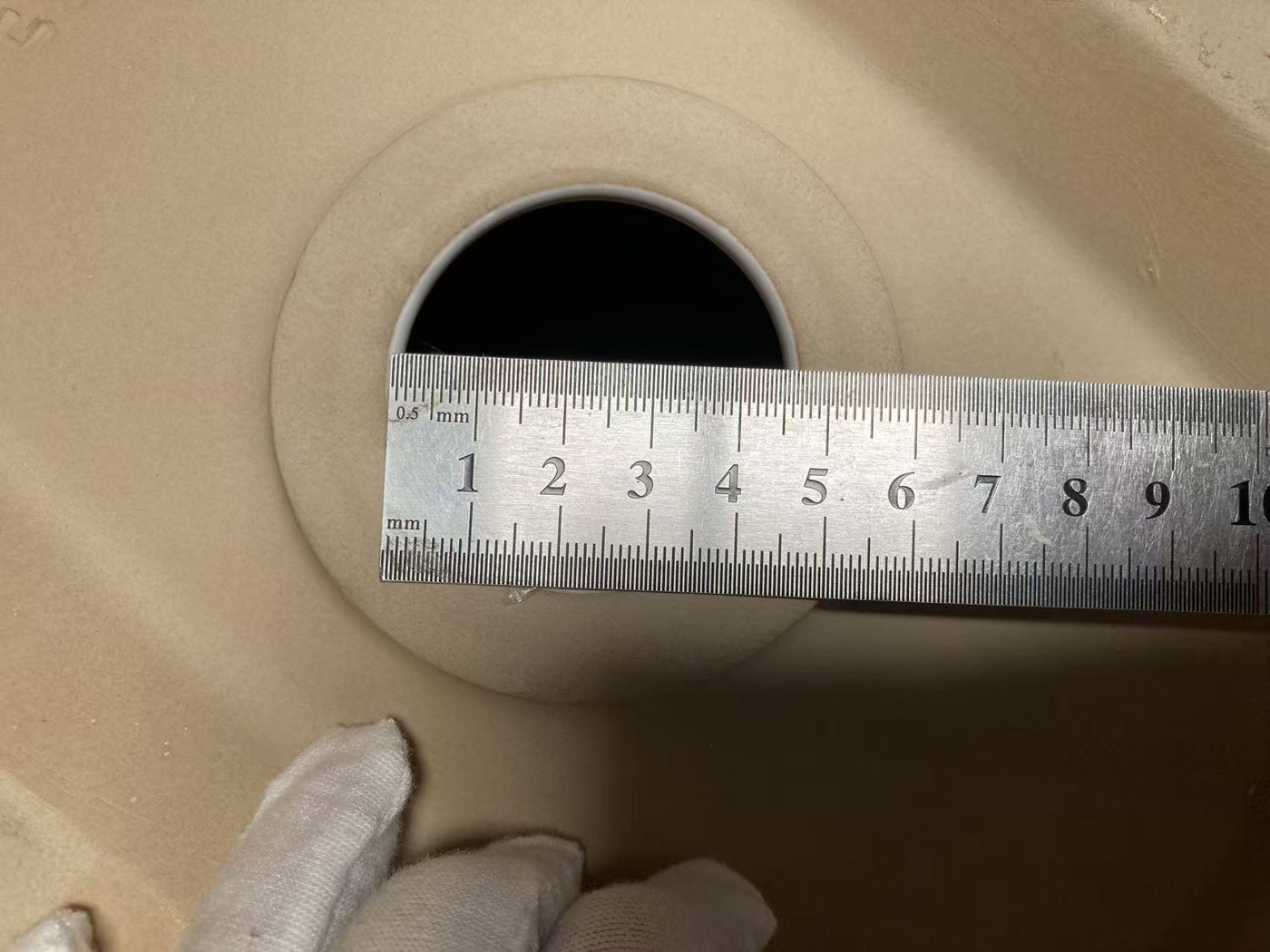
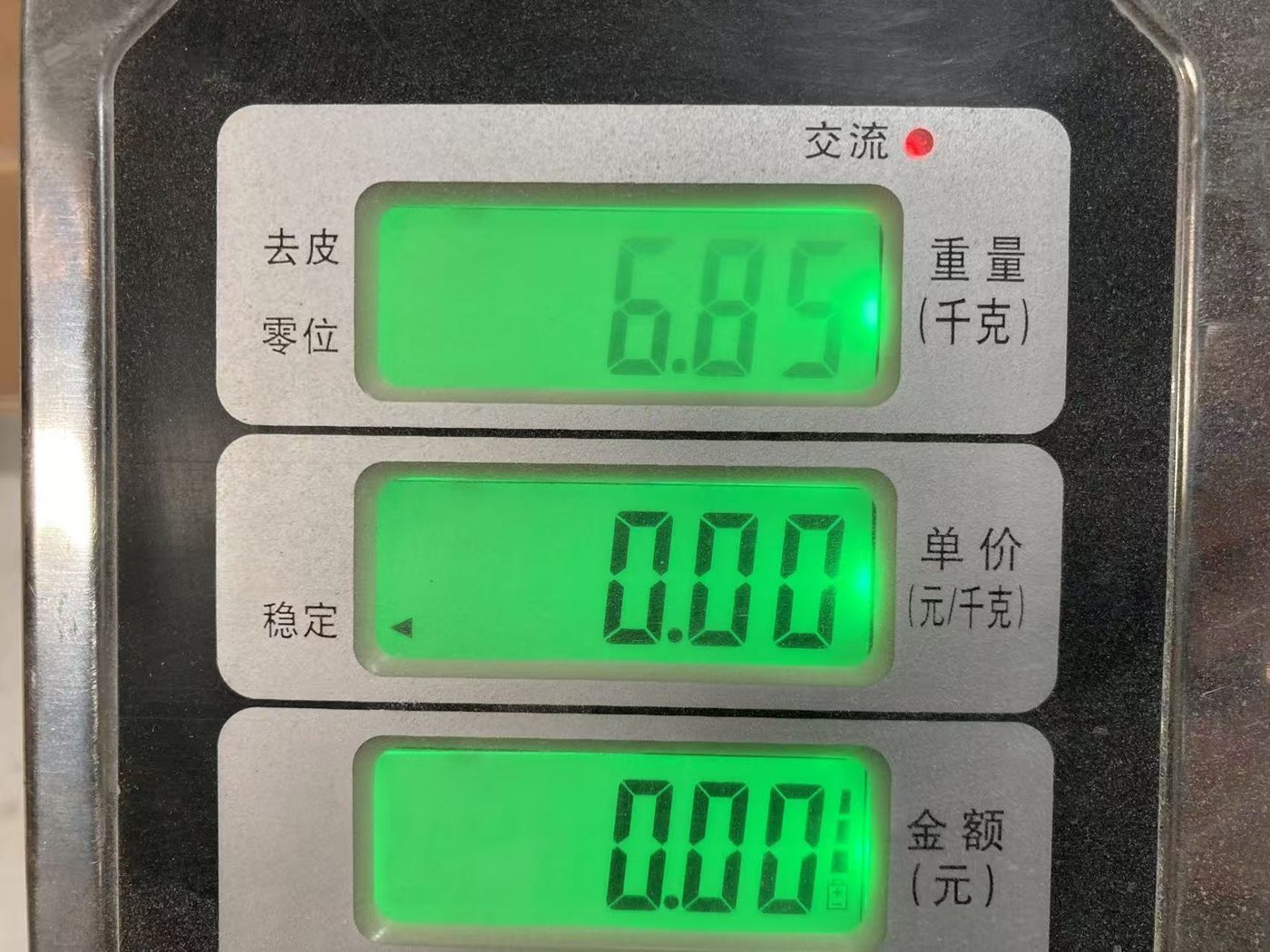
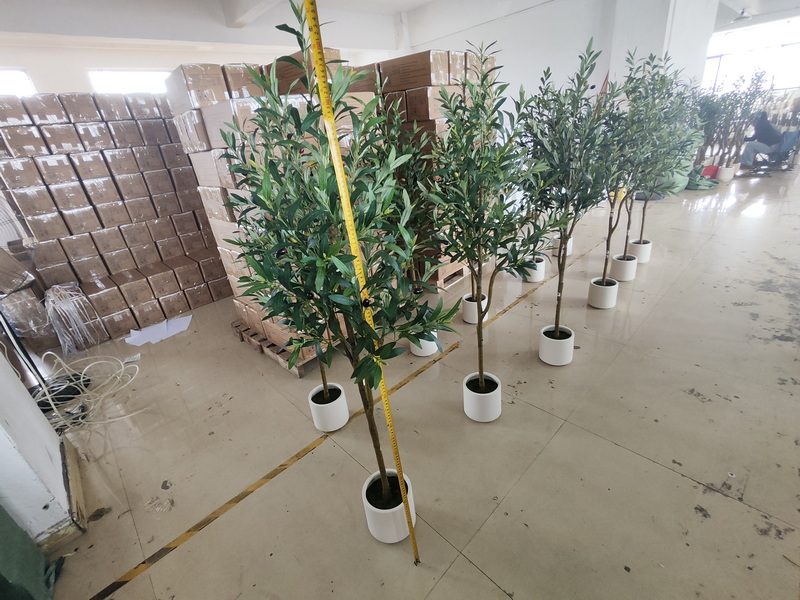
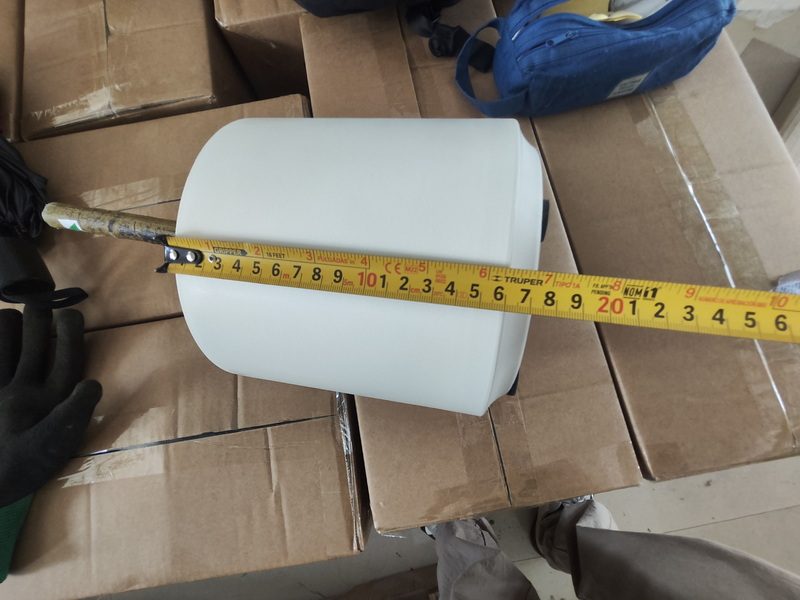
This combination helps the buyer understand both the result and what it is based on. The photograph identifies the product and where the measurement was taken; the accompanying table records the measured value and the requirement.
Establishing the Reference Before Production
The 2026 shopping trolley bag report shows the earlier stage of this process.
It includes raw materials, wheel variants, fabric options and photographs of production processes. Its sample assessment records a frame weight of 0.872 kg and checks on the pipe dimensions and folding function. It also records that a reference sample was retained for comparison with finished goods. Fabric swatches were retained as well.
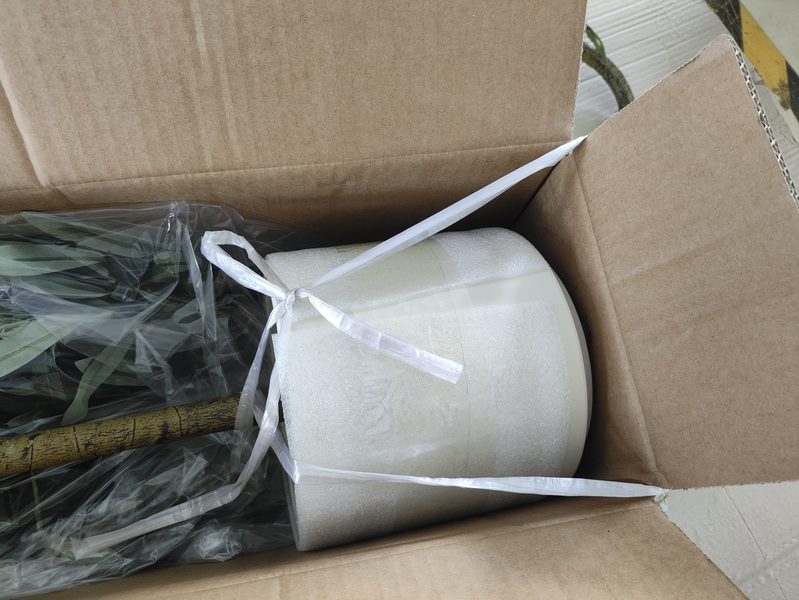
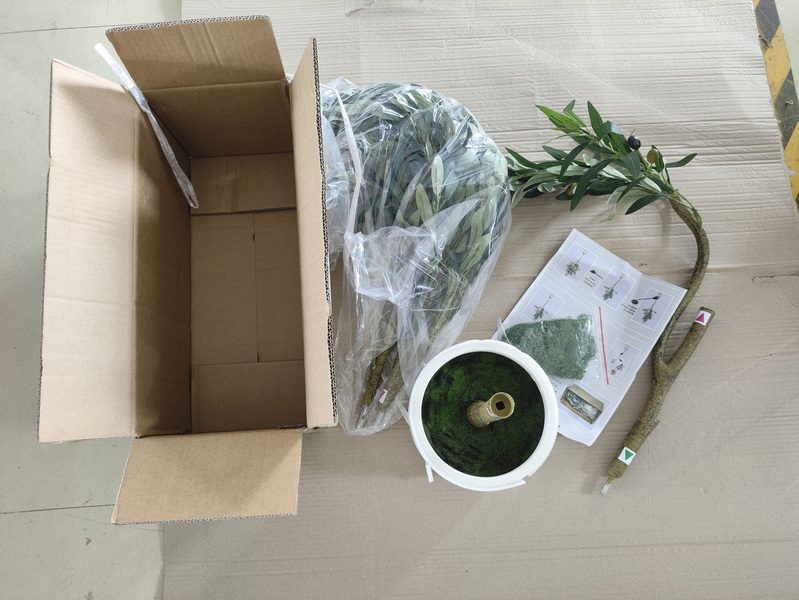
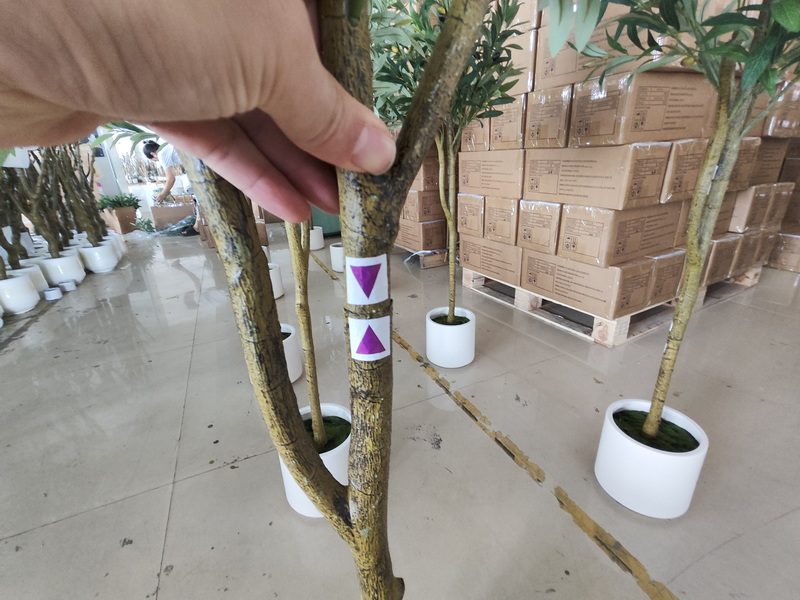

The same report contains one important qualification: the fabrics were still subject to the factory’s final confirmation.
That is an open decision, not evidence that the buyer had completed approval.
If production depends on a material choice, the buyer and supplier should agree before production begins which material is approved, which reference sample applies and what variation is acceptable. The historical report does not show whether all of those approvals were completed later.
What to look for: A clearly identified reference sample or specification, actual measurements, units, tolerances where applicable, and any approval still outstanding.
4. Defect Photographs, Classifications and Counts
The defect section of the bookend report tells the buyer more than its overall “Passed” label.
It records the following findings in the 500-piece workmanship sample:
| Recorded defect | Classification used in the report | Count |
|---|---|---|
| Corner damage | Major | 2 |
| Surface bubbles | Major | 4 |
| Torn OPP bags | Minor | 3 |
| Missing color cards | Minor | 3 |
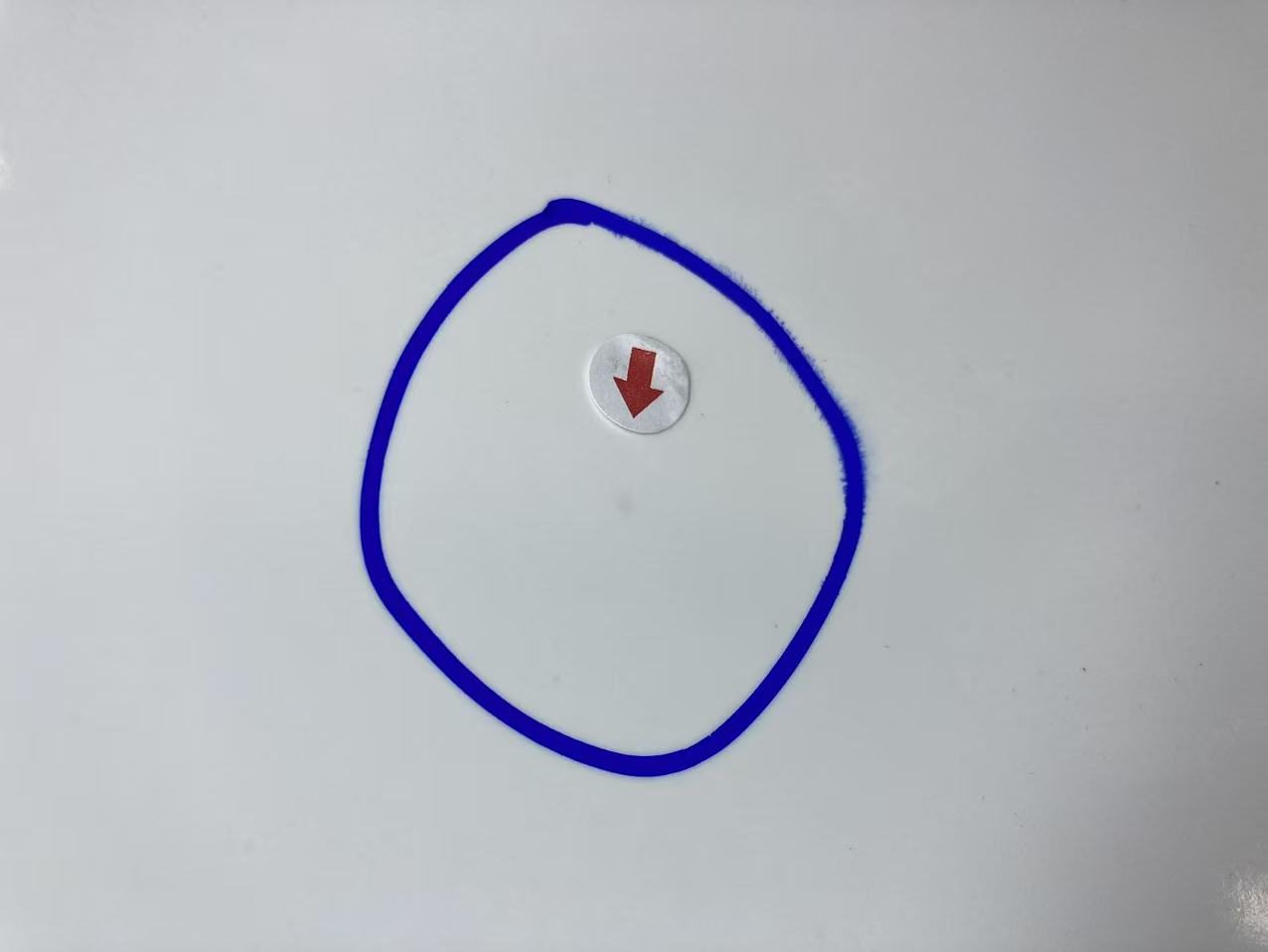
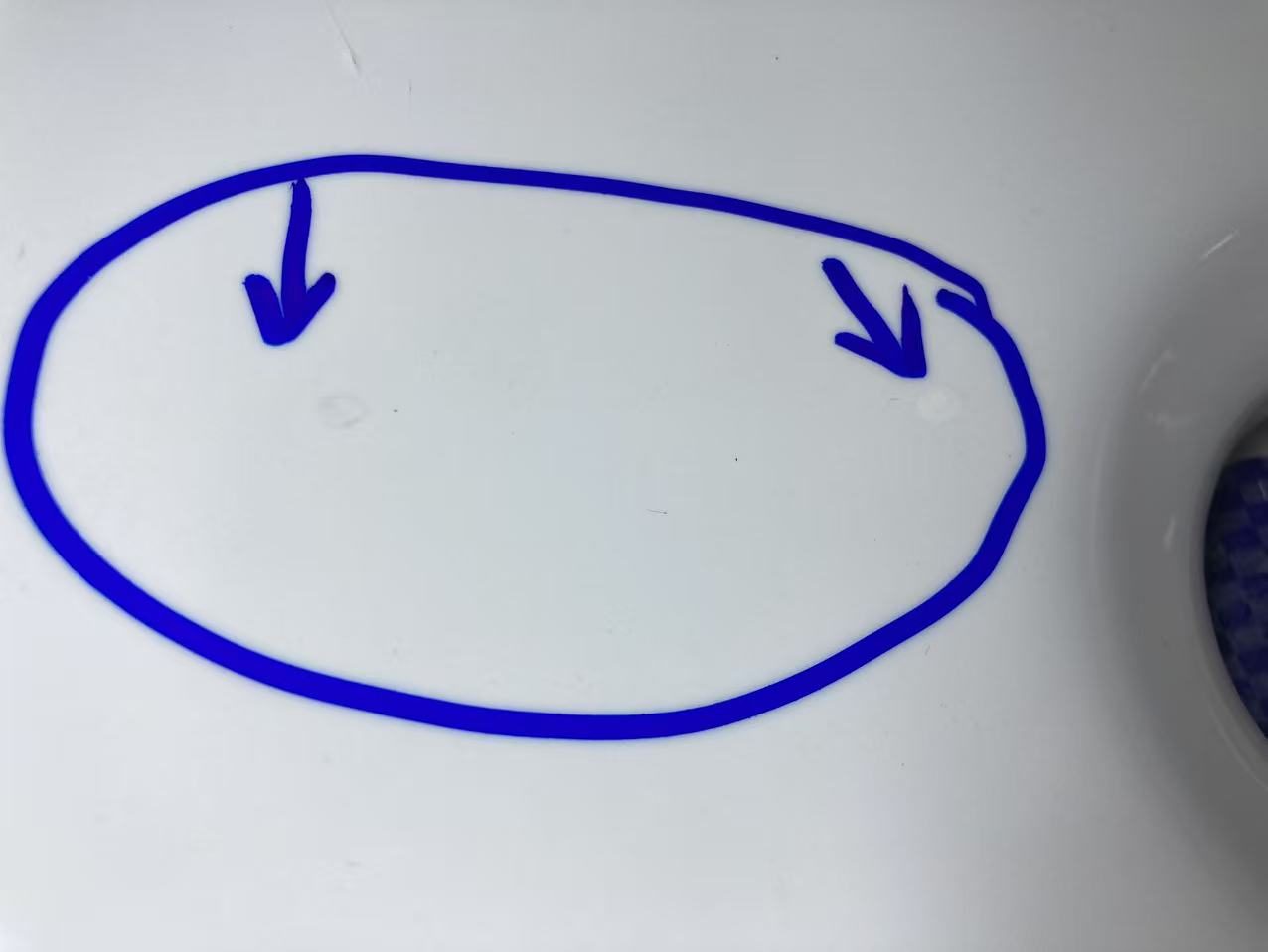
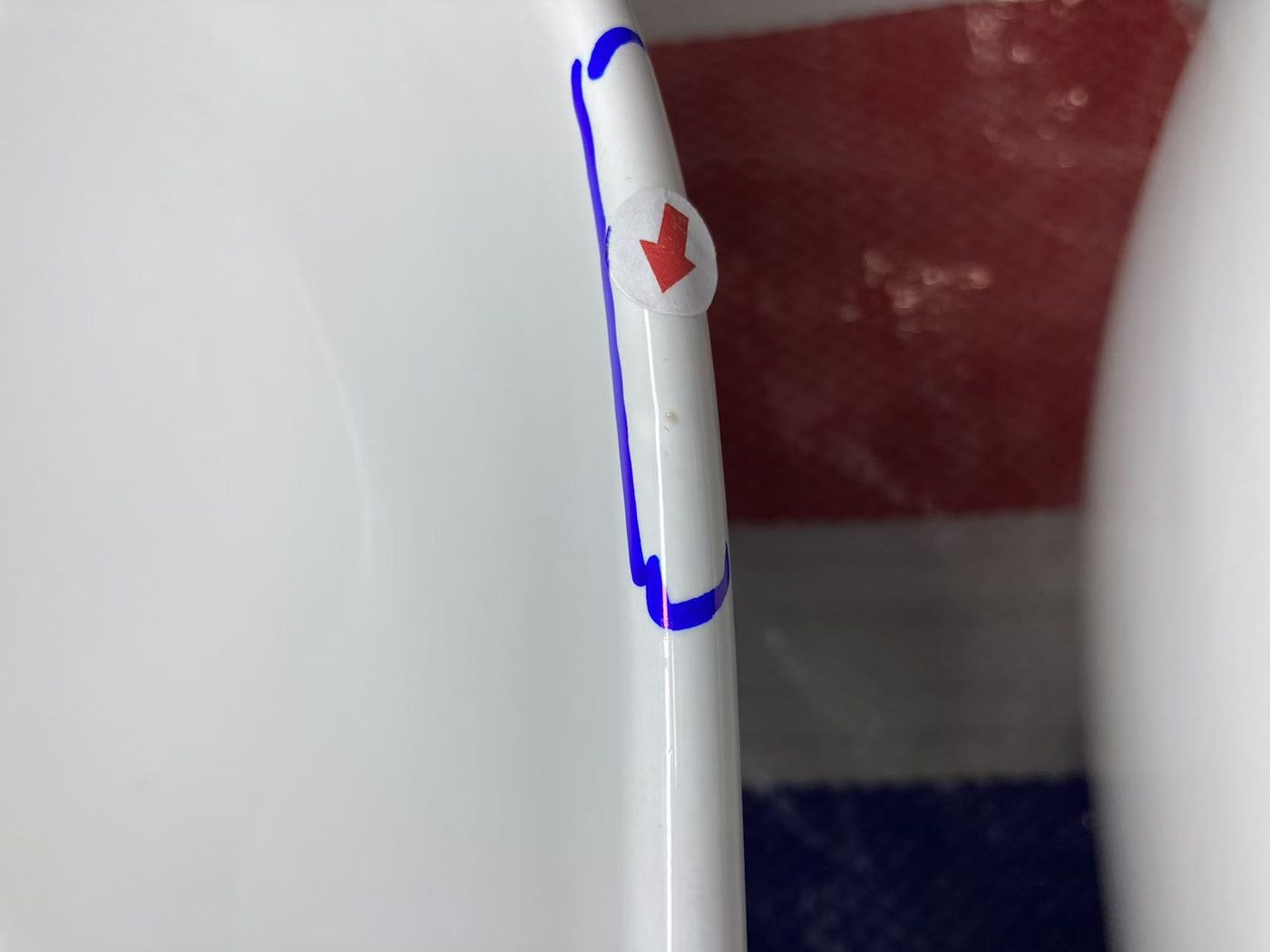
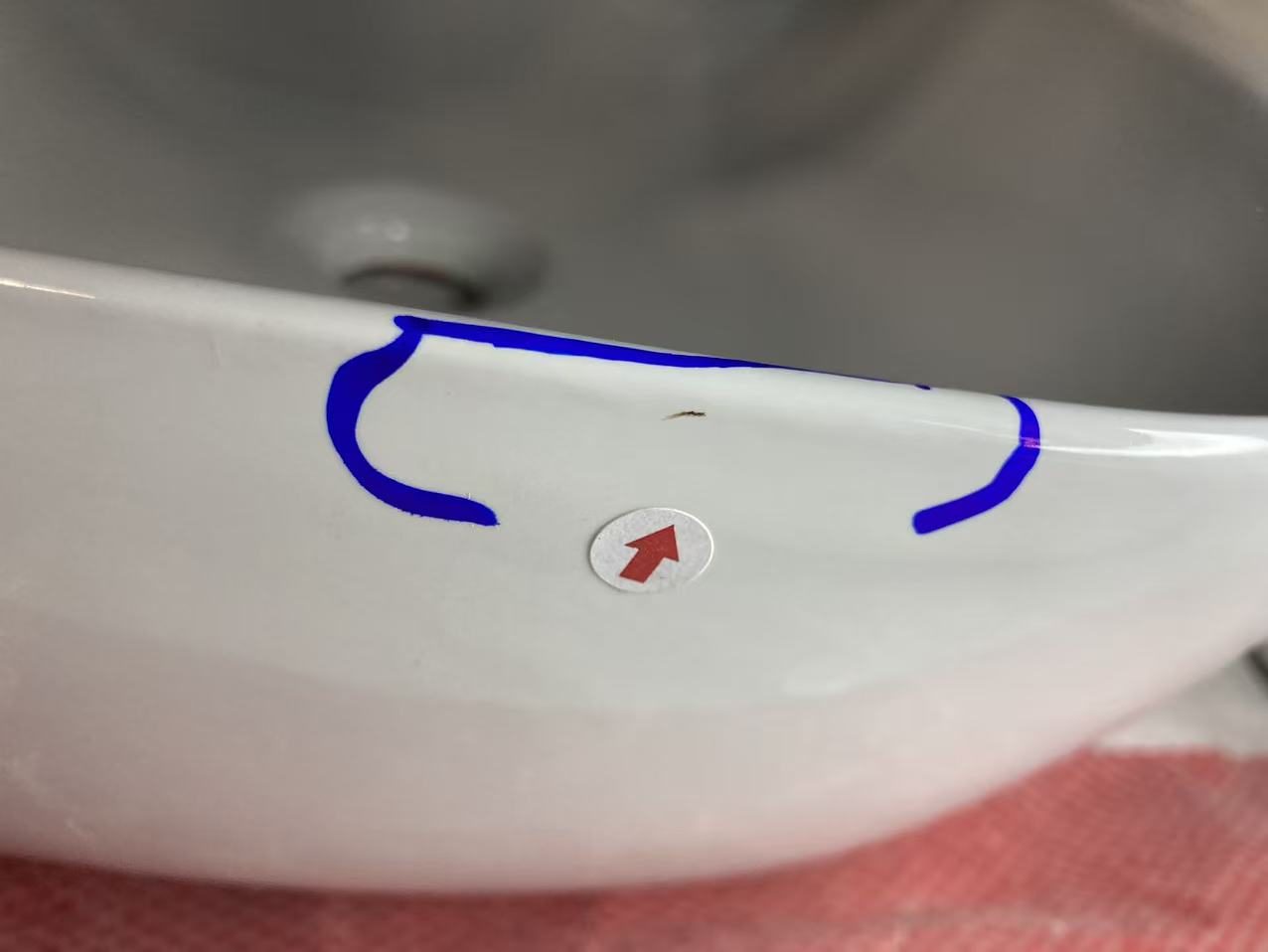
The summary then compares these findings with the report’s acceptance numbers:
| Category | Recorded findings | Maximum allowed in this report |
|---|---|---|
| Critical | 0 | 0 |
| Major | 6 | 10 |
| Minor | 6 | 14 |
The recorded findings were within those limits, which supports the report’s workmanship pass.
The defect photographs still matter, however. A buyer may still want to discuss visible damage, packaging condition or the cause of a recurring defect.
Keep several distinctions in mind when you read this section:
- Classifications belong to the order. The report classifies torn OPP bags as minor defects. A different product or buyer may require a different classification.
- Findings do not necessarily equal separate defective units. The records list twelve findings, but they do not show whether any unit had more than one finding.
- A defect table is not a safety certificate. It records inspection findings and classifications. It is not independent proof that the product complies with a product safety standard.
- Photographs make descriptions usable. A description such as “Corner damage” does not show the buyer where the damage is or how severe it is.
For future orders, agree on defect classifications and acceptance criteria before the inspection, instead of negotiating them after a problem is found.
What to look for: A description, classification, count and clear photograph for each defect type, with the findings reconciled to the summary.
5. Packaging and Shipping Marks
Even good products can cause problems if their packaging or identification is wrong.
The bookend report checks inner and outer packaging, carton dimensions, weights and shipping marks. It records double-wall corrugated packaging and carton weights of 14 kg and 16 kg, against a requirement of less than 20 kg.
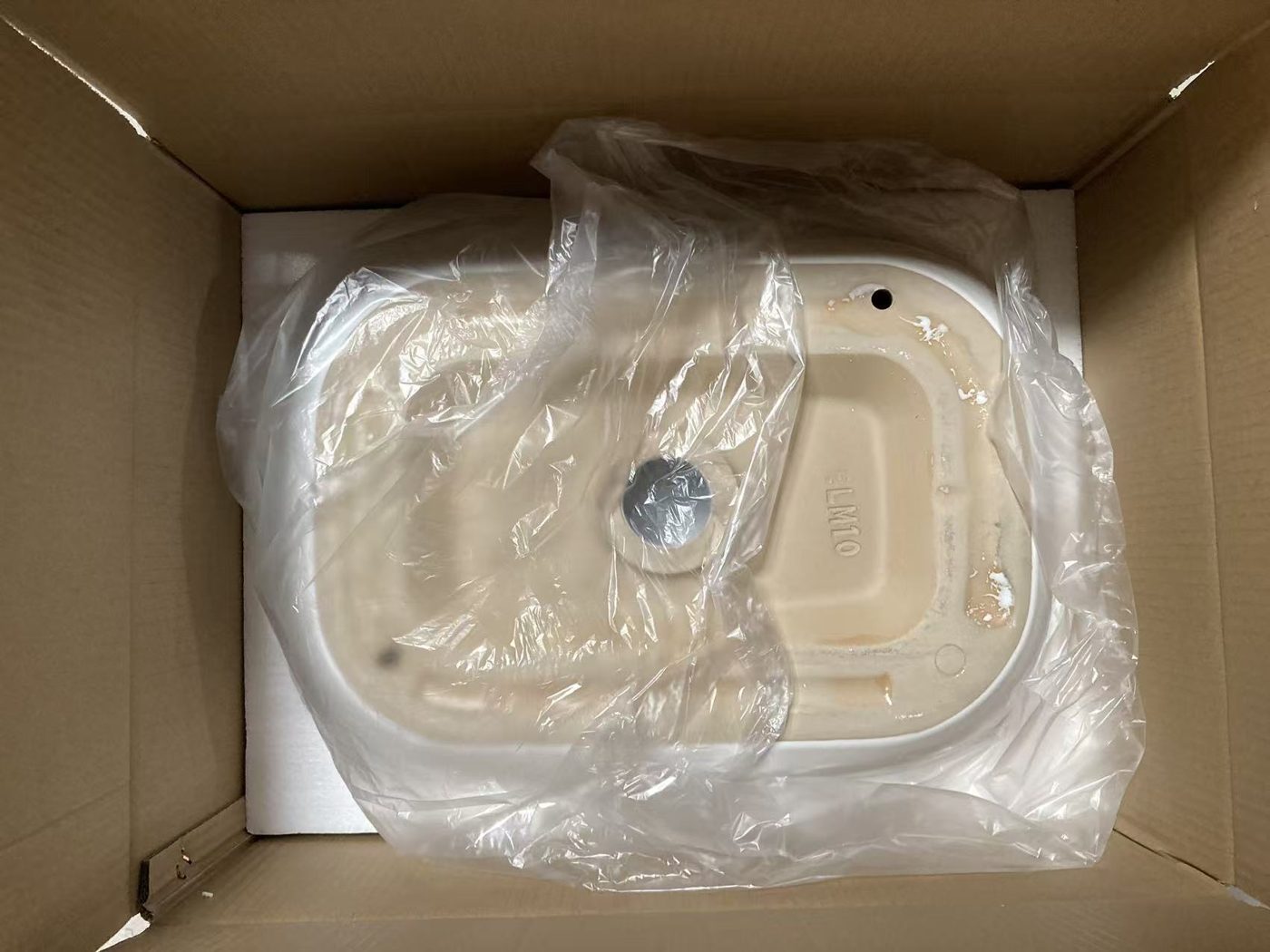
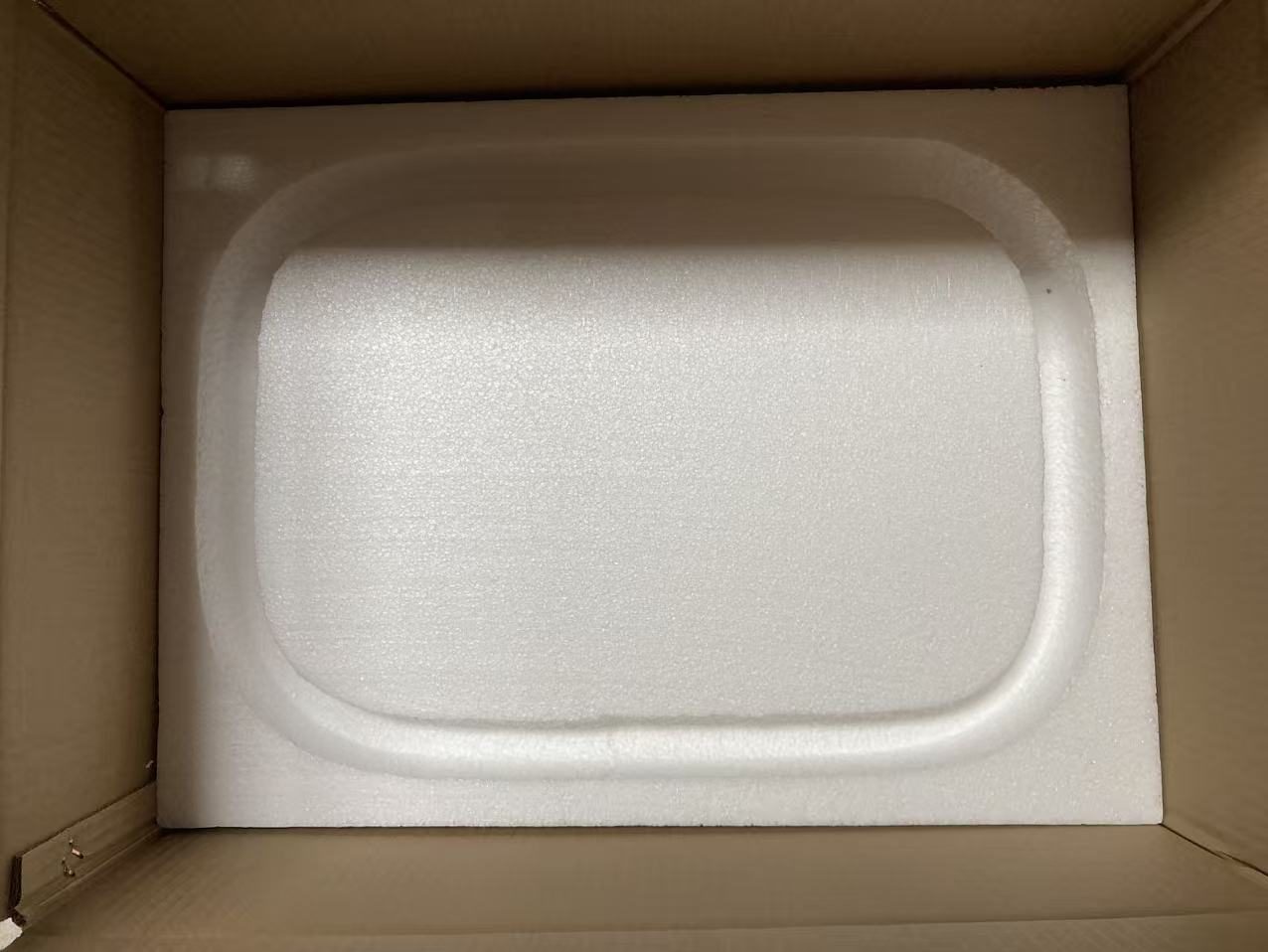
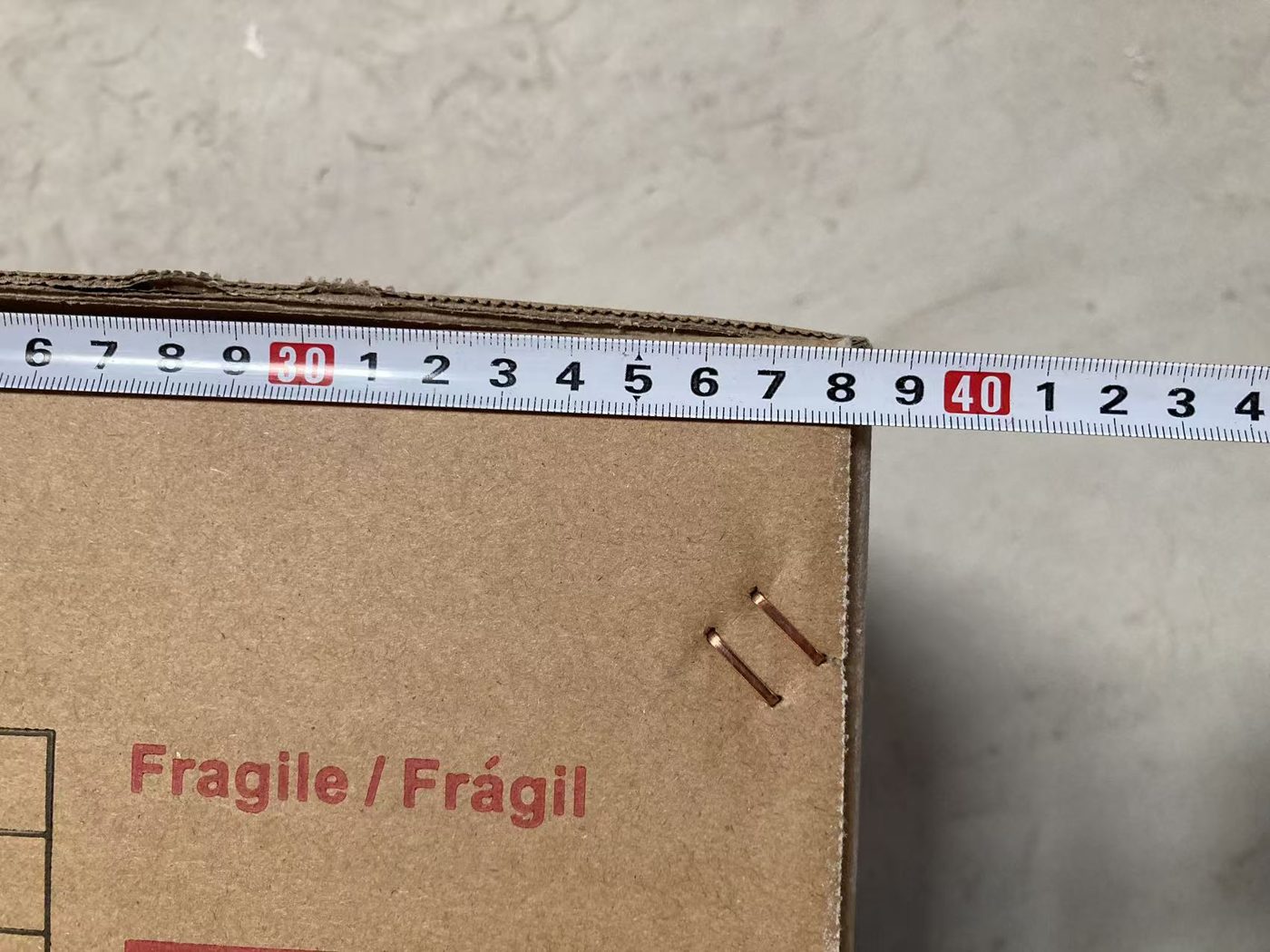
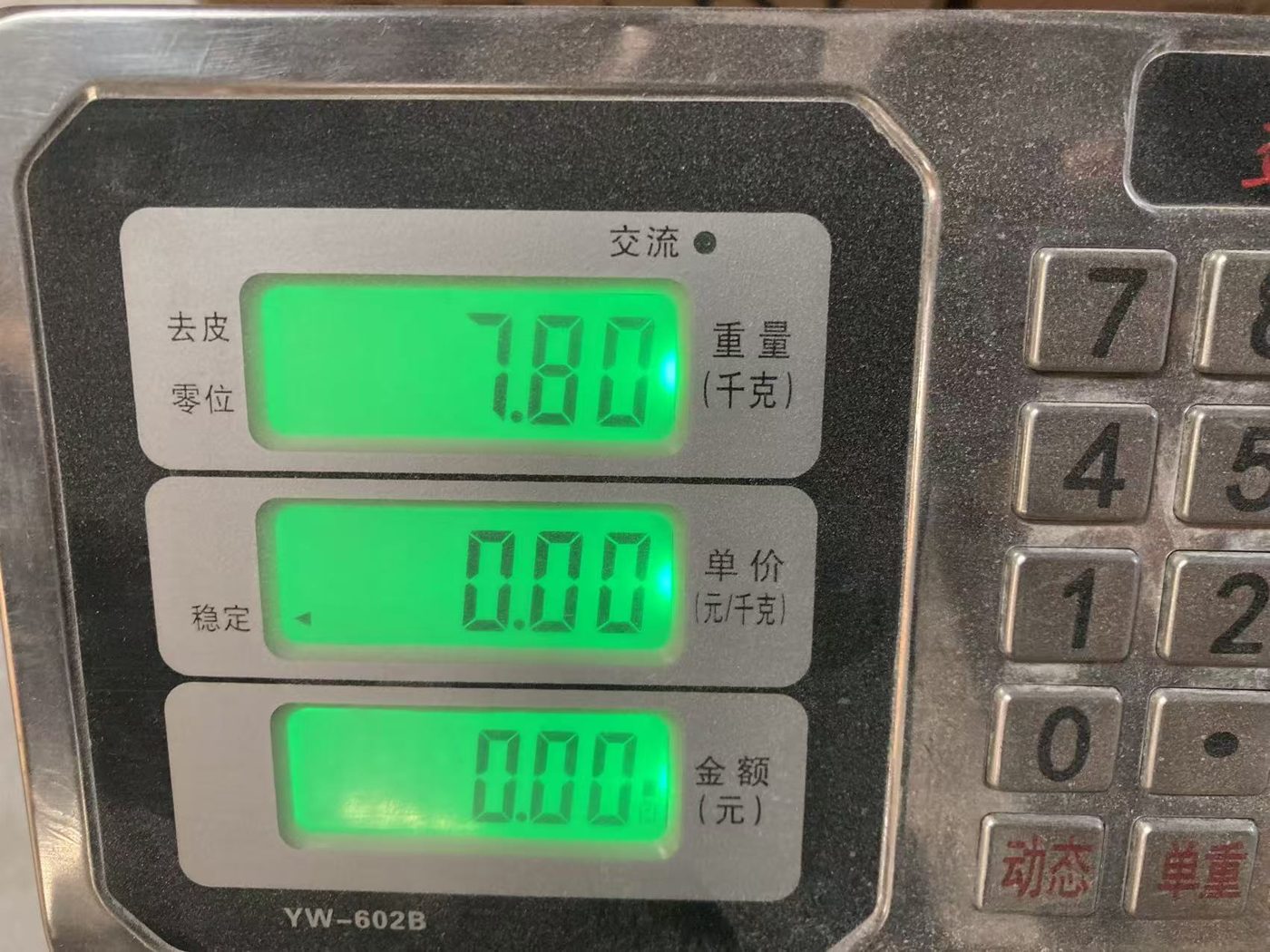
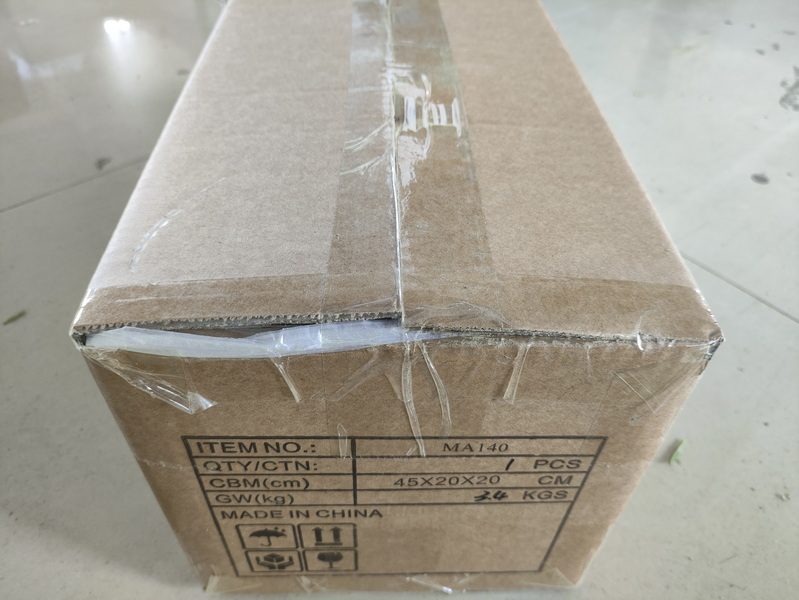
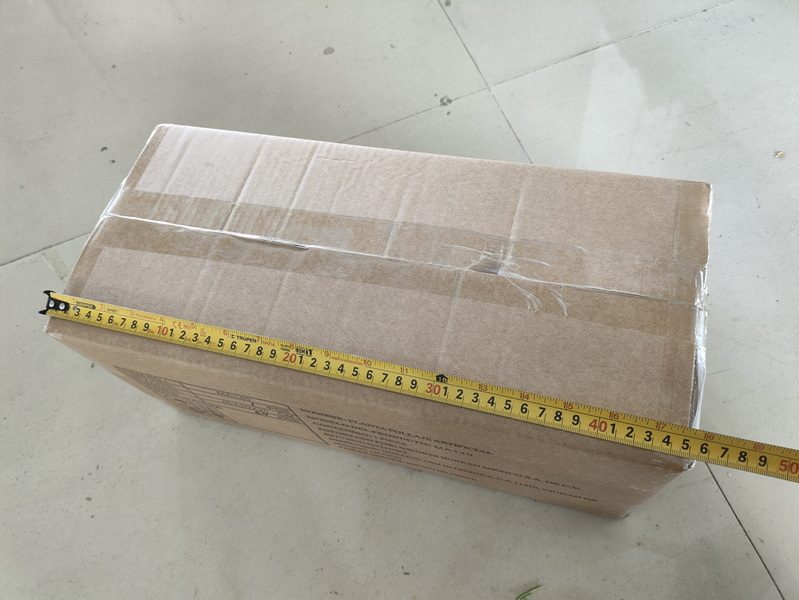
This is useful because the reader can compare each measured result directly with its requirement.
A packaging section should also show which product or style each carton belongs to. It should state whether the labels, protective materials and retail components match the order.
This report’s defect list includes missing color cards and damaged OPP bags. These findings show that packaging checks should be linked to the defect summary, not shown only as general photographs.
What to look for: Packing requirements shown beside the actual findings, readable photographs of markings, carton measurements and any packaging components that need replacement.
6. Loading Records and Container Identification
Container supervision answers a different question from product inspection. It asks what was loaded, into which container, and under what recorded conditions.
The 2016 LANCE loading report covers mixed goods loaded into one 20ft GP container. Its package breakdown is:
- 263 cartons
- 19 bags
- 282 packages in total
In some parts of the template, all 282 packages are called “cartons.” Consistent units would make the record clearer. Otherwise, a packing list that separates bags from cartons could appear to disagree with the loading report, even when the totals reconcile.
On pages four to eight, the report records container-condition checks, identifying numbers, loading stages, door closing and the seal. The condition checks cover water, rust holes, dust, grease and cleanliness.
A useful photographic sequence links these steps:
Empty container → Loading in progress → Loading completed → Doors closed → Seal recorded
“Loading completed” does not necessarily mean that every available space is filled. This container still had space remaining. Notes about space should distinguish between unused container volume and goods that were left unloaded.
The record should also show any securing measures that are relevant to the load. However, loading photographs do not establish that the contents of every package were inspected or that the goods arrived undamaged.
What to look for: Consistent container identification, package counts reconciled to the packing list, visible loading conditions and a recorded seal.
7. Corrective Actions and the Buyer’s Decision
A defect photograph identifies a problem, but it does not show whether the problem was resolved.
The bookend report includes photographs labeled as changing cartons, new cartons and repacked goods. These photographs document packaging work. On their own, they do not establish that every defect was corrected, that re-inspection was completed or that the buyer approved shipment.
A useful follow-up record should connect each issue to:
| Follow-up field | What it should establish |
|---|---|
| Issue | What needs correcting or deciding |
| Responsible party | Who will take action |
| Deadline | When the action must be completed |
| Verification | How completion will be checked |
| Release decision | Whether the buyer authorizes shipment |
This kind of record is particularly helpful when an order has several outstanding issues. For example, a packaging correction may be complete while a quantity difference is still unresolved.
For more information about order follow-up, see LANCE’s sourcing and order management service.
The archived report also states that its findings apply only to the time and place of the inspection. Read it as a record of that inspection, together with the order requirements and later communications.
A Buyer’s Checklist for Reviewing an Inspection Report
Before confirming shipment, check whether you can answer these questions:
- Does the report identify the correct order and product styles?
- Are ordered and available quantities shown separately?
- Is every quantity difference clearly flagged?
- Are sampling parameters and inspection coverage stated?
- Do measurements have clear units and reference requirements?
- Are test sample sizes distinguished from the workmanship sample?
- Do defect descriptions, photographs and totals agree?
- Are packaging and shipping marks checked against requirements?
- Are cartons, bags and other package types counted consistently?
- Are outstanding issues and corrective actions visible?
- Is the buyer’s release decision recorded separately from the inspection result?
For a loading report, also check the container identification, loading sequence and seal record.
Frequently Asked Questions
Does “Passed” Mean the Goods Are Ready to Ship?
Not by itself. An overall result may summarize several checks, while the remarks record a shortage or another unresolved issue. In the bookend example, workmanship was within the recorded acceptance limits, but the available quantity was below the order quantity. Before you decide, read the individual results and any outstanding issues.
Does a 500-Piece Sample Mean Every Test Covered 500 Pieces?
No. The bookend report uses a 500-piece workmanship sample, but some measurement checks record 30 pieces. A report should state the sample count for each type of check so that its coverage is clear.
What AQL Should I Use?
It depends on your product and requirements. The values in this article describe one historical order, not a universal specification. Choose the sampling approach and acceptance criteria based on your product, its risks and your requirements. Then agree them with the supplier before production.
Is Loading Supervision the Same as Pre-Shipment Inspection?
No. Pre-shipment inspection examines finished goods and their packaging within its defined scope. Loading supervision records the container condition, package counts, loading and sealing. Do not treat a loading record as a substitute for product-quality findings.
Discuss Your Next Inspection
Send LANCE your product details, order quantity, factory location and expected shipping date. We can then discuss which inspection stages suit the order and what the report should cover.

Gary
10+ years of experience in supplier management, sharing practical insights on supplier selection and sourcing relationships.


